Tableside manner is where a sommelier's knowledge, empathy, and instincts converge into a single interaction that defines the guest's experience. Every technical skill covered in this course, from tasting methodology to wine list construction, ultimately serves what happens in the moment a sommelier approaches a table and begins a conversation. This is the highest-stakes expression of the role because it cannot be rehearsed exactly. Each table presents a unique dynamic: the couple celebrating an anniversary, the business dinner where the host needs to impress without overspending, the solo diner exploring for pleasure, the table of industry colleagues who want deep discussion. The sommelier who can read these situations accurately and respond with the right blend of knowledge, warmth, and restraint transforms a beverage transaction into something guests remember long after the meal ends. Getting this right requires genuine care for people, not just wine.
Reading the Table
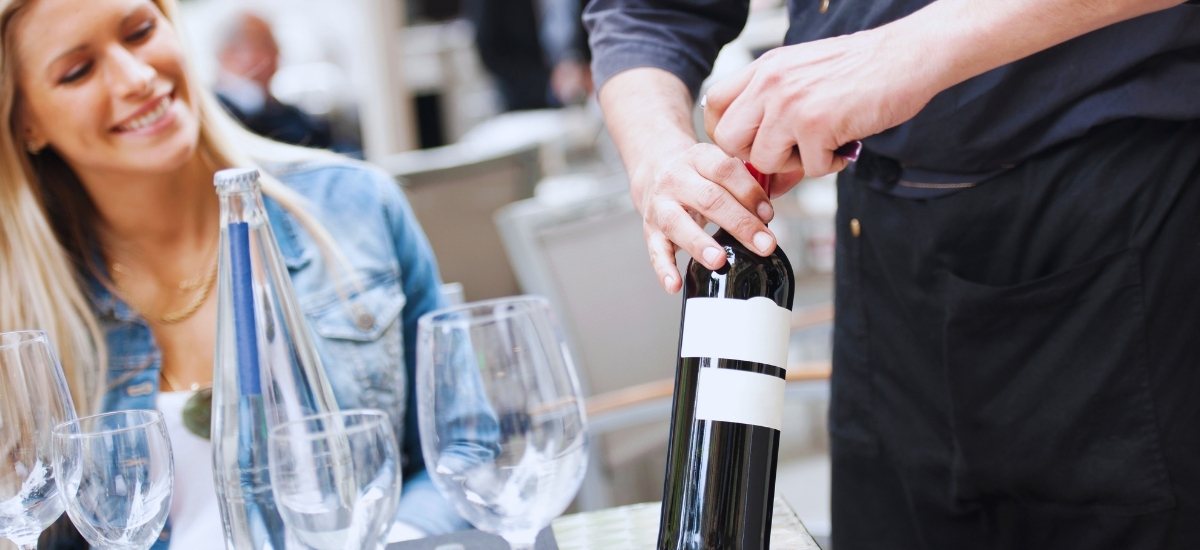
The ability to read a table accurately is the most important skill a sommelier develops, and it cannot be learned from a textbook alone. It begins before the sommelier speaks a single word. Body language, the pace of the table's conversation, the way guests interact with the printed wine list, and cues from the host or server all communicate information about what this particular group needs from the sommelier. A table that is deep in animated conversation does not want an extended wine presentation that interrupts their evening. A guest holding the wine list with visible uncertainty is signaling a need for guidance and reassurance. A host who asks the sommelier to select everything without discussion is expressing trust and wants confident execution, not a consultation. Context clues from the reservation system matter too. A notation about a special occasion suggests an opportunity to enhance the celebration. A regular guest's return visit presents a chance to remember their preferences and build on past selections, demonstrating the kind of personalized attention that creates loyalty. The sommelier gathers this information quickly and subtly, never making the guest feel observed or assessed. The goal is to understand the situation well enough to calibrate the interaction appropriately: how much information to offer, what price range to suggest within, whether to recommend familiar styles or propose discovery, and how long to stay at the table. This calibration is an act of respect. A sommelier who delivers a lengthy monologue about biodynamic farming to a table that simply wants a nice bottle of red has prioritized their own enthusiasm over the guest's comfort. A sommelier who offers only the most basic guidance to a table eager for education has missed an opportunity to create a rich experience. Neither failure is about wine knowledge. Both are failures of attention.
The best sommeliers listen more than they speak. The guest will tell you exactly what they need if you pay attention to what they are saying and, more importantly, what they are not saying.
The Art of the Recommendation
Making a wine recommendation is the moment where product knowledge, listening skills, and hospitality instinct combine. The process starts with questions, but the right questions depend on what the sommelier has already observed. Asking a clearly knowledgeable guest what grape varieties they prefer respects their expertise and opens a productive dialogue. Asking a guest who appears overwhelmed by the list what they typically enjoy drinking, even outside of wine, provides a starting point without making them feel tested. Price sensitivity requires particular tact. Many guests have a budget in mind but are uncomfortable stating it directly. Skilled sommeliers use the list as a tool to identify the guest's comfort zone: pointing to a section of the list and asking if that range feels right, or offering two options at different price points and letting the guest's response indicate direction. The sommelier should never make a guest feel judged for their budget. A $40 bottle served with warmth and care creates a better experience than a $200 bottle served with condescension. When presenting the recommendation itself, specificity builds confidence. Instead of saying a wine is really good, the sommelier describes what makes it appropriate for this moment: its weight relative to the dishes ordered, a flavor characteristic that will complement a specific preparation, or a quality that aligns with the preference the guest expressed. This demonstrates that the recommendation is tailored, not generic. Upselling, when it happens, should feel like an upgrade in experience rather than a push for revenue. Suggesting a wine one tier above the guest's initial range works when the sommelier genuinely believes the upgrade will meaningfully improve the pairing or the experience. If the upgrade does not serve the guest, it should not be attempted. Trust, once broken by a recommendation that felt like a sales tactic rather than genuine guidance, is extremely difficult to rebuild.
Handling Objections, Complaints, and Difficult Moments
Every sommelier will face situations where a guest is dissatisfied, a wine does not meet expectations, or a misunderstanding creates tension. How these moments are handled defines the sommelier's character and the restaurant's reputation far more than any successful recommendation. The foundational rule is straightforward: the guest is not the adversary, and winning an argument is never the objective. When a guest says they do not like a wine the sommelier recommended, the correct response is empathy and action, not defense. Acknowledging the guest's experience, offering to replace the bottle with something more to their taste, and doing so without hesitation or visible frustration communicates that their satisfaction matters more than the sommelier's judgment or the restaurant's cost. When a guest sends back a wine that the sommelier believes is sound, the same principle applies. Arguing that the wine is not actually flawed is technically correct but hospitality-wrong. The guest's perception is their reality, and challenging it creates an adversarial dynamic that poisons the rest of the evening. Replace the bottle, move forward, and preserve the relationship. Dietary restrictions, allergies, and preferences like avoiding specific regions or grape varieties due to personal history or ethical considerations deserve the same respect as any flavor preference. The sommelier who responds to a request for a vegan wine or a wine from a specific country with genuine enthusiasm rather than visible inconvenience demonstrates the inclusivity that defines excellent hospitality. Difficult moments are not obstacles to good service. They are opportunities to demonstrate what good service actually means when it is tested. A guest who has a complaint handled with grace often becomes a more loyal patron than one whose evening went smoothly but unremarkably. The recovery is what people remember.
Tableside manner cannot be reduced to a checklist or a script. It is the continuous application of attentiveness, empathy, and expertise in real time, calibrated to each unique guest interaction. Reading the table accurately, making recommendations that genuinely serve the guest's needs, and handling difficult moments with grace are not peripheral skills that supplement wine knowledge. They are the reason wine knowledge matters at all in a hospitality context. The sommelier who masters tableside manner understands that every interaction is an opportunity to create an experience the guest carries with them, and that this responsibility is both the greatest challenge and the greatest privilege of the position.