The Champagne Equation: Climate, Craft, and Centuries of Refinement
From chalky soils to celebratory toasts, understanding the world's most revered sparkling wine begins with knowing its origins.
Few wines command the immediate recognition and reverence that Champagne enjoys. The name itself has become synonymous with celebration, luxury, and the effervescent joy that accompanies life's most meaningful moments. Yet behind every dancing bubble and golden pour lies a story of geography, tradition, and meticulous craft that spans centuries. Champagne is not merely a beverage but a protected designation of origin, legally permitted only for sparkling wines produced within the strictly defined Champagne region of northeastern France. This distinction matters profoundly because the unique combination of climate, soil, and human expertise found here cannot be replicated elsewhere.
Understanding Champagne means appreciating why these particular vineyards, these specific grape varieties, and these time-honored methods converge to create something genuinely singular. Whether approaching Champagne for the first time or seeking to deepen an existing appreciation, grasping its fundamentals transforms the experience from simple consumption to informed enjoyment.
True Champagne is protected by some of the strictest geographic and production laws in wine, reinforcing that what’s in the glass is inseparable from where and how it is made.
Where Chalk Meets Climate
The Champagne region sits approximately ninety miles northeast of Paris, representing one of the northernmost winemaking areas in France. This marginal climate proves essential to producing sparkling wine of finesse and elegance. Cool temperatures allow grapes to retain the high acidity necessary for refreshing sparkle while preventing them from becoming overly ripe and losing their delicate character. The region comprises five principal growing districts: Montagne de Reims, Vallée de la Marne, Côte des Blancs, Côte de Sézanne, and the Aube. Each contributes distinct qualities to the regional tapestry.
Perhaps most significantly, the soil here consists predominantly of chalk, a porous limestone deposited millions of years ago when prehistoric seas covered this land. This chalky subsoil performs multiple functions: it provides excellent drainage while retaining just enough moisture for vine roots to access during dry periods, reflects sunlight back onto the vines to aid ripening, and imparts a characteristic mineral quality to the wines. The combination of challenging climate and exceptional terroir forces vines to struggle, concentrating flavors and producing grapes of remarkable intensity. Houses and growers alike recognize that Champagne's magic begins not in the cellar but in these ancient, chalky vineyards.
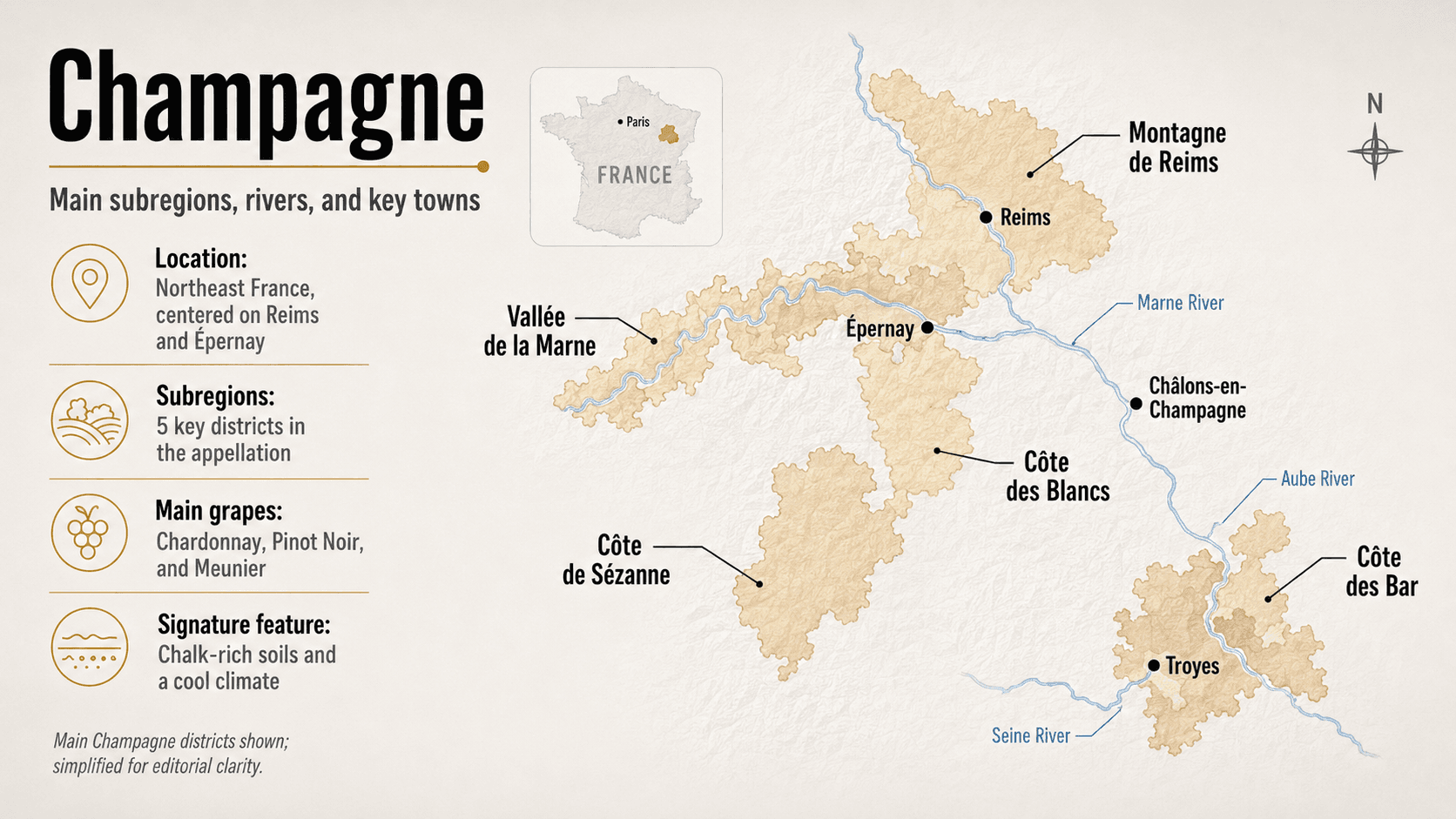 Champagne is one of the most northerly wine regions in the world, where cool temperatures, chalky soils, and marginal ripening conditions are not obstacles but essential components of its freshness, acidity, and longevity. The region is broken down into 5 main subregions, with the city of Épernay at the center of it all.
The Noble Three and Their Expressions
Champagne production centers on three primary grape varieties, each contributing essential characteristics to the final blend. Pinot Noir, a red grape, brings structure, body, and notes of red fruit to the assemblage. It thrives particularly in the Montagne de Reims and the Aube, where conditions favor its cultivation. Chardonnay, the sole white variety among the three, offers elegance, finesse, and citrus brightness, finding its greatest expression in the Côte des Blancs. Pinot Meunier, often considered the workhorse of Champagne, contributes approachability, fruitiness, and earlier drinking appeal while providing insurance against frost damage due to its later budding.
Most Champagnes represent blends of these varieties, though single variety expressions exist and merit attention. Blanc de Blancs, meaning white from whites, contains exclusively Chardonnay and typically displays laser precision and mineral intensity. Blanc de Noirs, white from blacks, utilizes only red grapes while still producing white wine through careful pressing that prevents skin contact. Understanding these categories opens doorways to matching Champagne styles with personal preferences and specific occasions. The art of blending, known as assemblage, allows winemakers to achieve consistency across vintages while also creating house styles that distinguish one producer from another.
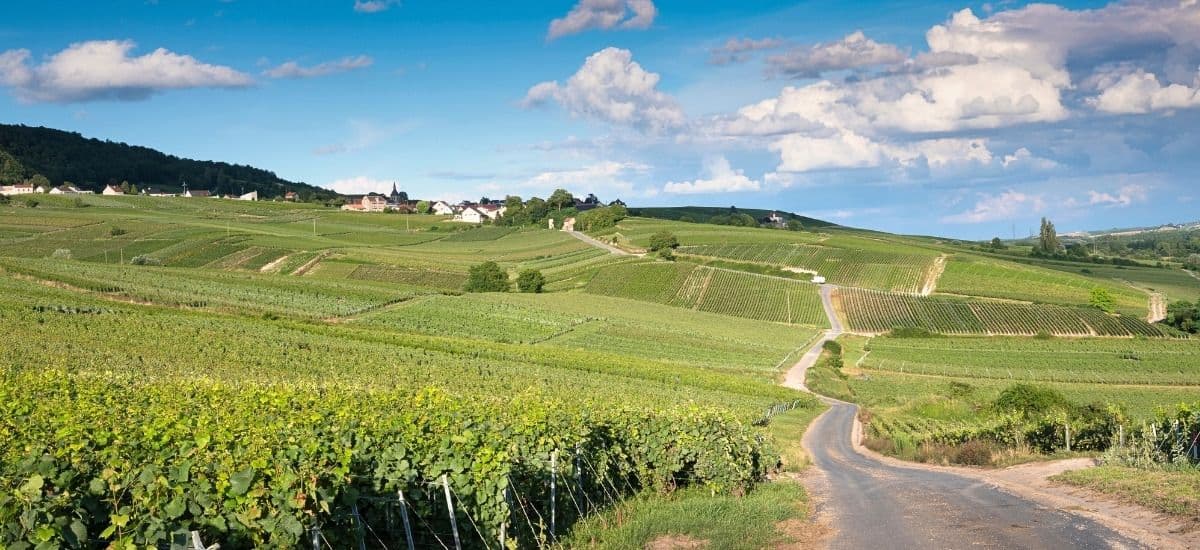 Over 90% of Champagne produced each year is non-vintage, a deliberate choice that prioritizes consistency, blending skill, and house style over the expression of a single harvest. (Vallée de la Marne shown in picture)
From Grande Marque to Grower
The Champagne market encompasses an extraordinary range of producers, from massive houses shipping millions of bottles annually to small growers crafting limited quantities from their own vineyards. The grandes marques, or great brands, include names that have achieved global recognition: Moët and Chandon, Veuve Clicquot, Dom Pérignon, Krug, and Bollinger among them. These houses typically purchase grapes from numerous growers across the region, employing their substantial resources to maintain consistent house styles year after year.
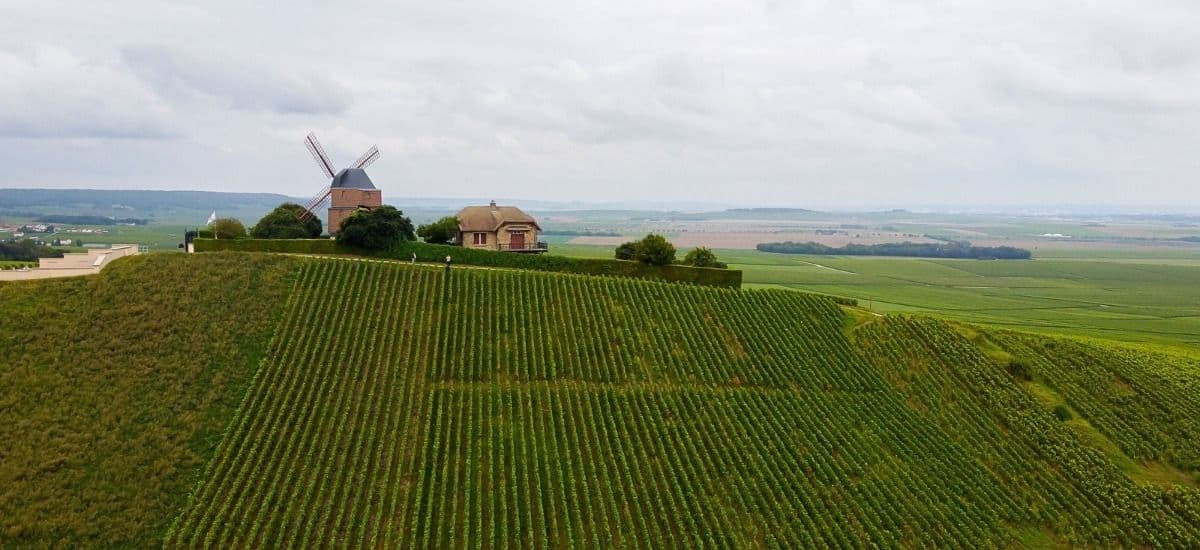 The region’s chalk subsoil acts as both a water reservoir and temperature regulator, helping vines survive erratic weather while contributing to the tension and mineral precision Champagne is known for. (Grand Cru vineyards in the Montagne de Reims shown in picture)
In recent decades, grower Champagnes have garnered increasing attention from enthusiasts seeking distinctive, terroir-driven expressions. These producers, identified by the initials RM on their labels, grow their own grapes and craft their own wines, often in smaller quantities that reflect specific vineyard sites. Names such as Jacques Selosse, Egly-Ouriet, Pierre Gimonnet, and Larmandier-Bernier have developed devoted followings among those seeking alternatives to the established houses. Additionally, cooperatives play a significant role in Champagne production, pooling resources from member growers to produce wines under shared labels. The diversity of production models means that exploration can proceed in multiple directions, from prestigious vintage bottlings to small-lot farmer fizz, each offering legitimate and rewarding expressions of the region.
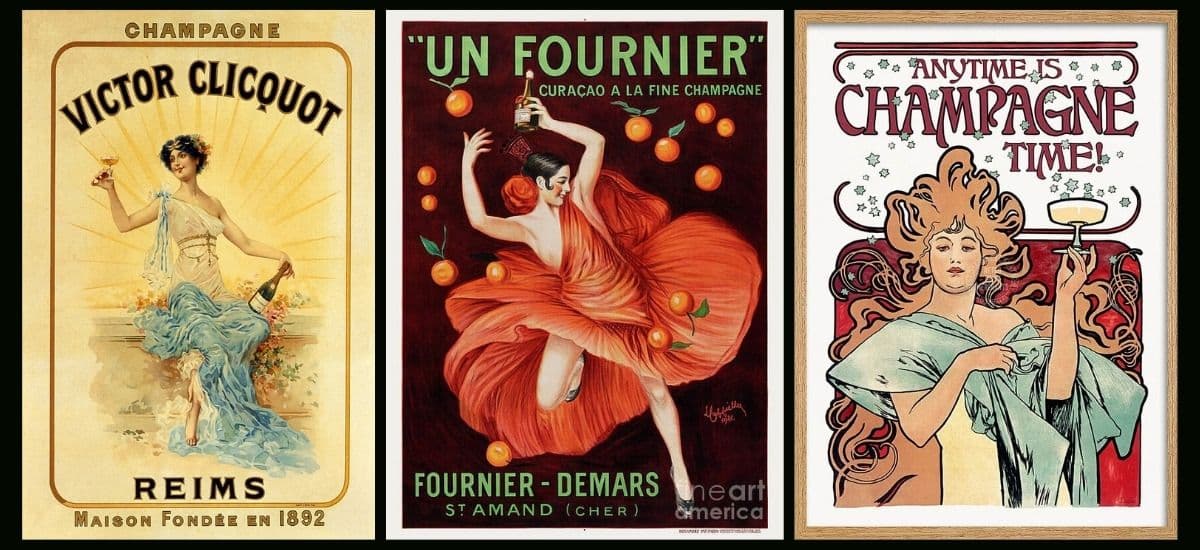 True Champagne is protected by some of the strictest geographic and production laws in wine, reinforcing that what’s in the glass is inseparable from where and how it is made.
The Takeaway
Champagne represents far more than a wine category; it embodies a convergence of natural conditions and human dedication that has evolved over centuries into something approaching perfection. The cool climate and chalky soils of northeastern France create an environment where grapes achieve ideal balance between ripeness and acidity. The three permitted varieties contribute complementary qualities that skilled blenders orchestrate into harmonious wholes. And the range of producers, from international houses to artisan growers, ensures that every palate can find expressions to appreciate and enjoy.
Approaching Champagne with knowledge enhances every encounter with the wine. Recognizing why Blanc de Blancs differs from Blanc de Noirs, understanding what vintage dating signifies, or appreciating the distinction between a grande marque and a grower bottling transforms casual drinking into engaged exploration. This foundation serves not as an endpoint but as a beginning, an invitation to taste widely, ask questions, and develop personal preferences grounded in understanding. The bubbles may provide the initial attraction, but the depth beneath them rewards those who take the time to look closer.


