Rioja and Ribera del Duero: Spain's Twin Pillars of Tempranillo
A journey through the two regions that define Spanish red wine and the noble grape that unites them.
Spain possesses a viticultural heritage stretching back millennia, yet two regions stand above all others in defining the country's reputation for world class red wine. Rioja and Ribera del Duero, separated by mountain ranges but united by their devotion to the Tempranillo grape, represent the pinnacle of Spanish winemaking tradition. These regions have shaped international perception of what Spanish wine can achieve, producing expressions that range from accessible everyday pleasures to profound bottles commanding collector attention and premium prices.
For anyone seeking to understand Spanish wine, these twin pillars provide essential foundation. Their histories intertwine with Spain's broader cultural narrative, their classification systems reflect distinctly Spanish approaches to quality designation, and their wines demonstrate how a single grape variety can speak with remarkably different voices depending on where it grows. The novice who masters Rioja and Ribera del Duero gains not merely knowledge of two important regions but insight into an entire nation's relationship with wine.
Some of Spain’s most age-worthy red wines come from these regions, with top Gran Reservas developing complexity for decades.
The Lay of the Land
Rioja stretches along the Ebro River in north central Spain, sheltered by the Sierra de Cantabria mountains from harsh Atlantic weather systems. This protection creates a moderate continental climate with Mediterranean influences, ideal for the gradual ripening that allows Tempranillo to develop complexity while retaining freshness. The region divides into three subzones: Rioja Alta and Rioja Alavesa in the cooler, higher altitude western portions produce wines of elegance and aromatic finesse, while Rioja Oriental to the east contributes fuller, riper expressions from its warmer terrain.
Ribera del Duero lies southwest of Rioja on Spain's vast central plateau, the Meseta, at elevations exceeding 800 meters. Here, extreme continental conditions prevail, with scorching summer days plunging to cold nights, a diurnal variation that preserves acidity while concentrating flavors. The Duero River, which becomes Portugal's Douro as it flows westward, provides the watercourse around which vineyards cluster. Both regions share calcareous soils and challenging climates that stress vines productively, limiting yields while intensifying grape character. This geographic foundation explains why Tempranillo achieves its most celebrated expressions in these particular places.
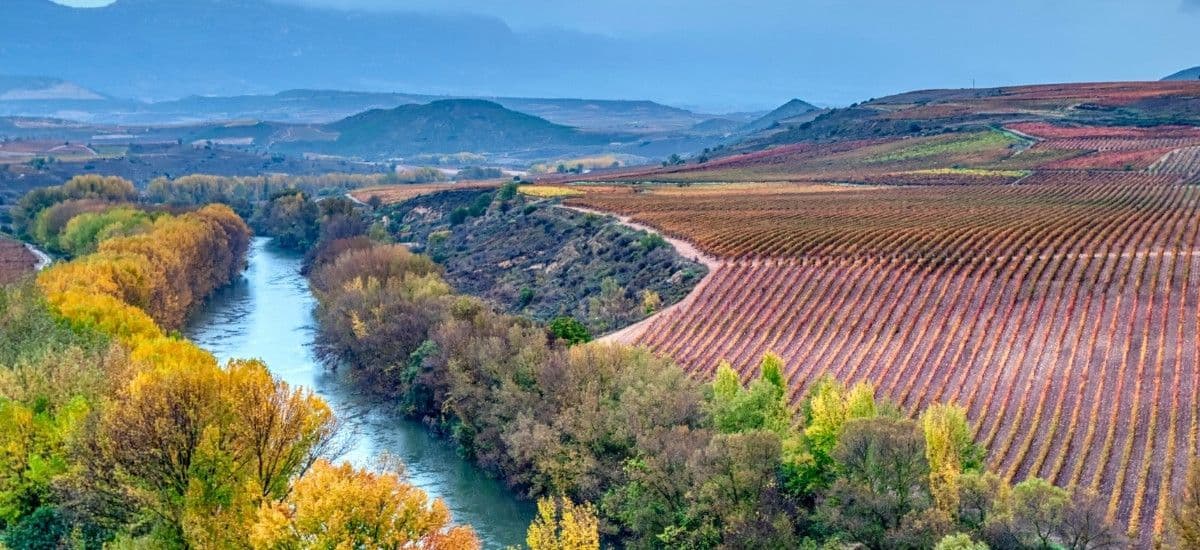 Rioja is Spain’s most historic wine region, with aging categories like Crianza, Reserva and Gran Reserva setting global standards for oak-matured Tempranillo.
Understanding Spanish Wine Classification
Spanish wine law employs a classification system that emphasizes aging rather than vineyard hierarchy, reflecting traditional practices where extended barrel and bottle maturation defined quality. Both Rioja and Ribera del Duero hold Denominación de Origen Calificada status, the highest designation in Spanish wine law, recognizing exceptional quality and consistent standards. Within this framework, age classifications guide consumer expectations. Joven or Cosecha wines see minimal or no oak aging, emphasizing fresh fruit character. Crianza requires minimum aging of two years, with at least one year in barrel. Reserva demands three years total aging with at least one year in oak. Gran Reserva, reserved for exceptional vintages, requires five years aging including two in barrel.
These categories apply across both regions, though interpretation varies by producer. Rioja traditionally favored American oak and extended aging, producing wines of vanilla, coconut, and dill inflected character. Contemporary Rioja increasingly incorporates French oak and shorter aging, yielding fresher, more fruit forward styles. Ribera del Duero, with its shorter modern history, has generally embraced French oak and powerful extraction, creating wines of concentration and intensity. Understanding these stylistic tendencies helps navigate the diversity within each region.
Masters of Their Craft
Both regions boast producers whose names resonate throughout the wine world. In Rioja, López de Heredia maintains nineteenth century traditions with unwavering commitment, aging wines for decades before release in cobwebbed cellars unchanged for generations. Their Viña Tondonia bottlings represent living history, demonstrating how traditional Rioja develops ethereal complexity over time. Marqués de Murrieta and CVNE similarly preserve classical approaches while La Rioja Alta produces benchmark Reservas and Gran Reservas of remarkable consistency.
Modern Rioja finds expression through producers like Artadi, Roda, and Remírez de Ganuza, who emphasize vineyard expression over extended aging. Ribera del Duero's modern reputation owes much to Vega Sicilia, whose Único bottlings have commanded collector reverence for over a century. Alejandro Fernández's Pesquera demonstrated from the 1970s onward that other producers could achieve comparable greatness. Pingus, created by Danish winemaker Peter Sisseck, brought international attention and cult pricing to the region during the 1990s. Dominio de Atauta, Aalto, and Alión represent contemporary excellence. For the developing professional, familiarity with these benchmark producers provides reference points for understanding regional character and quality levels.
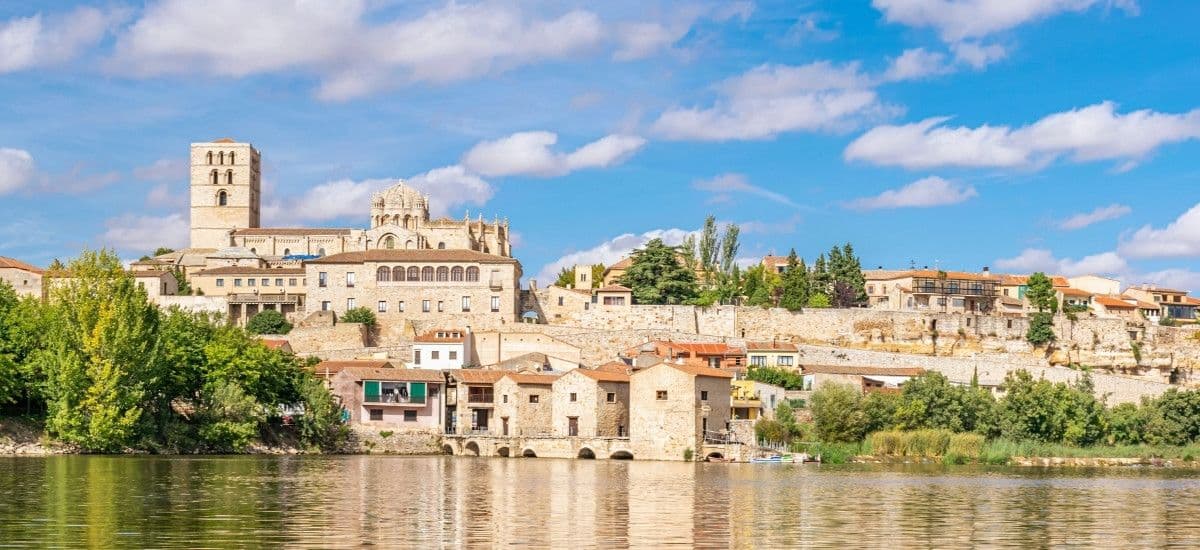 Ribera del Duero sits at higher elevations than Rioja, giving its Tempranillo (known locally as Tinto Fino) a more powerful, structured and darker-fruited style.
The Takeaway
Rioja and Ribera del Duero together tell the story of Tempranillo's potential, demonstrating how geography, climate, and human tradition shape a single variety into distinctly different expressions. Rioja offers the longer historical record and greater stylistic diversity, spanning traditional extended aging to modern fruit forward approaches, while Ribera del Duero presents a more concentrated, powerful interpretation born of extreme conditions and relatively recent international emergence. The novice approaching these regions benefits from tasting across styles and classifications, developing personal preferences while building understanding of how aging transforms wine character.
Spanish wine law's emphasis on time rather than terroir hierarchy creates accessibility, with classifications clearly indicating what to expect in the glass. Both regions deliver exceptional value relative to comparable quality from France or Italy, making them essential territory for building programs or collections without excessive expenditure. Tempranillo achieves its greatest heights in these places, speaking with the accent of its homeland in ways that plantings elsewhere rarely match. For anyone committed to comprehensive wine knowledge, fluency in Rioja and Ribera del Duero is not optional but fundamental, providing essential vocabulary for discussing Spanish wine and red wine excellence more broadly.


