Viognier is of the Rhône’s Most Distinctive White Grapes
The aromatic white grape that nearly vanished and the legendary appellation that saved it.
Among white wine grapes, few possess the immediate sensory impact of Viognier. A swirl of the glass releases waves of apricot, honeysuckle, and white peach, an olfactory experience so intense that first encounters often prompt disbelief that such perfume could emerge from fermented grape juice alone. Yet this captivating variety nearly disappeared entirely, reduced by the mid twentieth century to fewer than thirty acres worldwide. The survival and subsequent revival of Viognier stands as one of wine's great recovery stories, centered on a small appellation in France's northern Rhône Valley called Condrieu.
From this unlikely stronghold, Viognier has spread across the globe, finding new homes in California, South Africa, Australia, and beyond. Understanding Viognier requires appreciation of both its Condrieu origins and its modern international expressions. For the wine professional, this grape represents essential knowledge, a variety that tests winemaking skill, challenges service assumptions, and rewards those who understand its singular character with some of the most memorable white wines produced anywhere.
Viognier is one of the Rhône Valley’s most aromatic white grapes, known for its rich texture and signature notes of peach, apricot and soft floral tones.
The Birthplace That Nearly Became a Graveyard
Condrieu occupies a dramatic stretch of the northern Rhône Valley, where steep granite hillsides plunge toward the river in terraces carved over centuries by determined vignerons. Here, and only here, Viognier achieved its definitive expression, producing white wines of extraordinary aromatic intensity balanced by underlying minerality derived from decomposed granite soils. The appellation's origins trace back centuries, with Viognier cultivation documented in the region since at least the Roman era. Yet by the 1960s, Condrieu had contracted to barely twenty acres of vines, victims of the grape's maddeningly difficult cultivation.
Viognier yields are naturally low and inconsistent, the variety proves susceptible to numerous vineyard ailments, and the steep terrain demands entirely manual labor. Economics simply did not favor the grape, and farmers abandoned their precipitous plots for more practical pursuits. The revival began slowly, driven by a handful of producers who recognized Condrieu's irreplaceable qualities and a growing market of enthusiasts willing to pay prices reflecting the true cost of production. Today, the appellation spans roughly 300 acres, producing wines that command premium prices and inspire global imitation.
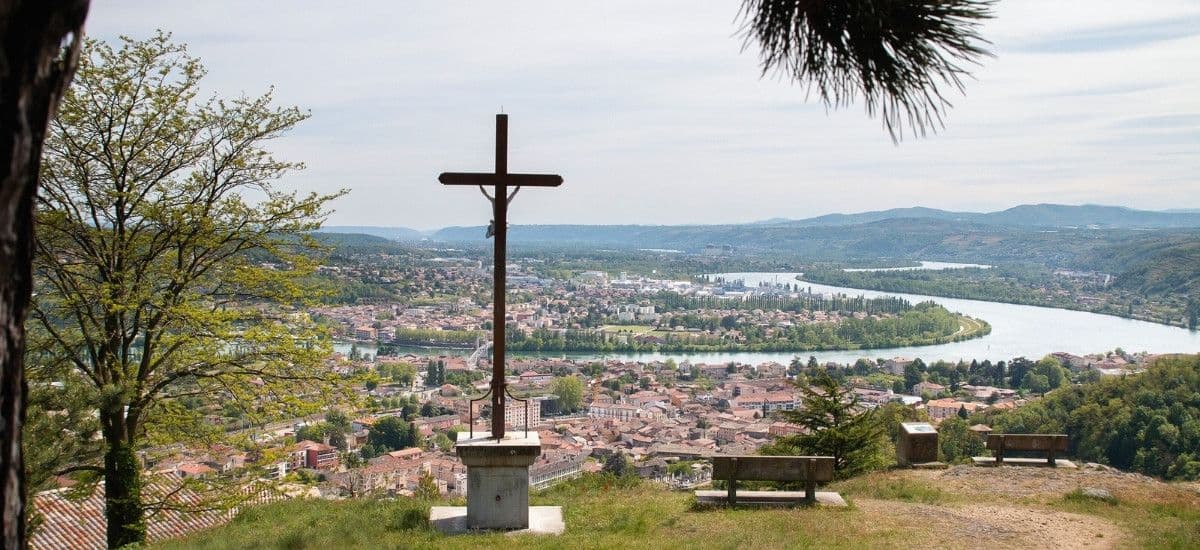 Condrieu, located in France’s Northern Rhône, is the spiritual home of Viognier and produces some of the rarest and most expressive white wines in the world.
A Style Unlike Any Other
Viognier produces wines of distinctive character that challenge conventional white wine expectations. The grape achieves full aromatic expression only at complete physiological ripeness, requiring extended hang time that pushes alcohol levels higher than many white varieties. Typical Condrieu bottlings reach fourteen percent alcohol or above, lending richness and viscosity that complement the grape's naturally low acidity. This combination of high alcohol, modest acidity, and intense aromatics creates wines best enjoyed in their youth, when primary fruit character remains vibrant and before oxidative development diminishes freshness.
The flavor profile centers on stone fruits, particularly apricot and peach, layered with floral notes of honeysuckle, acacia, and orange blossom. Well made examples display subtle minerality and spice that provide structure beneath the opulent fruit. Winemaking approaches vary, with some producers employing oak fermentation and aging to add complexity and improve longevity, while others favor stainless steel to preserve pure varietal expression. The lack of malolactic fermentation in many Condrieu wines maintains whatever natural acidity exists, providing essential freshness. For service, proper temperature proves critical. Viognier served too cold masks its aromatic brilliance, while excessive warmth emphasizes alcohol and diminishes elegance.
Viognier Finds New Homes
The resurgence of interest in Viognier has prompted plantings far beyond the Rhône Valley, with varying degrees of success. California emerged as an early champion, with producers in regions from Paso Robles to Sonoma Coast exploring the variety's potential. American expressions tend toward fuller body and riper fruit character, reflecting warmer growing conditions and stylistic preferences for power over restraint. The best California Viogniers balance this richness with careful acidity management and restrained winemaking, achieving complexity that justifies comparison with Condrieu at significantly lower prices.
South Africa has demonstrated particular affinity for the grape, with plantings in Stellenbosch, Swartland, and other regions producing wines of genuine distinction. The combination of Mediterranean climate, diverse soil types, and ambitious winemaking has yielded Viogniers that earn international recognition and suggest ongoing potential. Australia, particularly in regions like Yarra Valley and Eden Valley, contributes additional quality expressions. These New World interpretations expand access to Viognier's pleasures while highlighting how terroir and winemaking philosophy shape the variety's expression. The educated professional benefits from familiarity with both benchmark Condrieu and quality alternatives, enabling appropriate recommendations across price points and occasions.
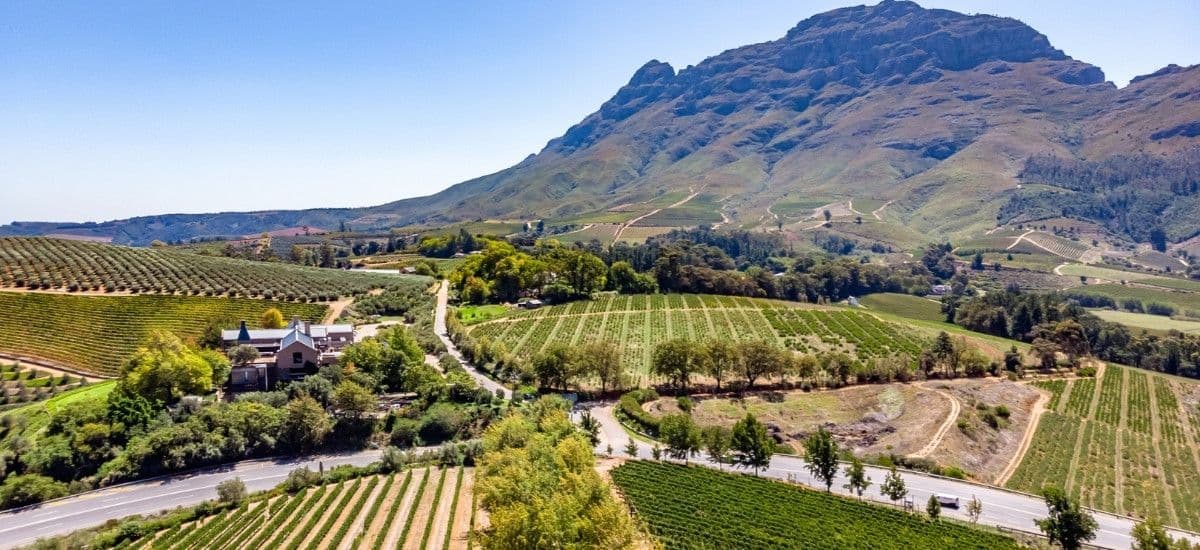 Outside France, Viognier has found success in California, Virginia, Australia and South Africa, where warmer climates help emphasize its lush, exotic aromatics.
The Takeaway
Viognier occupies unique territory in the wine world, a grape of unmatched aromatic intensity that demands both viticultural patience and winemaking sensitivity to achieve its potential. Condrieu remains the essential reference point, the appellation where terrain and variety combine to produce white wines of legendary perfume and power. Yet the grape's near extinction reminds us how fragile wine traditions can prove when economics turn unfavorable. The revival of Viognier, extending now from its Rhône homeland across the wine producing world, represents a collective recognition that certain varieties offer experiences unavailable elsewhere.
For the wine professional, Viognier knowledge signals sophistication precisely because the grape resists casual familiarity. Its service requirements, food pairing considerations, and stylistic range across regions reward dedicated study. Recommending Condrieu or a quality New World alternative demonstrates understanding of a guest seeking something beyond the ordinary. In an era when Chardonnay and Sauvignon Blanc dominate white wine consumption, Viognier offers a compelling third path, one fragrant with apricot blossoms and rich with the weight of history nearly lost but ultimately reclaimed.


