Exploring the Land of Albariño
On the rain-swept coast of northwestern Spain, a singular white grape produces wines of remarkable freshness that capture the essence of the Atlantic.
Certain wines belong so completely to their place of origin that tasting them transports the drinker across continents. Albariño achieves this connection with unusual clarity. The grape thrives in Galicia, the green and misty corner of Spain that shares more cultural and climatic kinship with Portugal and Celtic regions than with the sun-baked plains most associate with Spanish wine. Here, where fishing villages dot rocky coastlines and rainfall measures among the highest in the country, Albariño has developed over centuries into something perfectly adapted to its environment.
The wines it produces mirror their origins with uncanny fidelity: briny, fresh, aromatic, and alive with the energy of cool maritime influence. For those seeking alternatives to familiar white varieties, Albariño offers both accessibility and distinctiveness. The wines drink easily without demanding extensive wine knowledge to appreciate, yet reward attention with layers of complexity that reveal themselves across a bottle. Understanding this grape and its homeland opens a window into one of Europe's most distinctive wine cultures, one that remains surprisingly unfamiliar to many despite producing whites that rival any in the world for sheer refreshment.
Albariño thrives in Galicia’s cool, Atlantic climate, producing wines defined by high acidity, saline minerality, and aromatic clarity rather than weight or oak influence.
Where Green Spain Meets the Sea
Galicia occupies the northwestern corner of the Iberian Peninsula, a region so different from typical Spanish geography that it earned the designation Green Spain for its lush, rain-fed landscape. The area receives abundant precipitation from Atlantic weather systems, creating conditions more reminiscent of Ireland or Brittany than Andalusia or Castile. Within Galicia, the Rías Baixas denomination has emerged as the definitive home of Albariño, though the grape grows throughout the broader region. Rías Baixas takes its name from the rías, the distinctive coastal inlets that penetrate inland from the Atlantic, creating a fractured coastline of remarkable beauty. These waterways moderate temperatures and contribute humidity that shapes both viticulture and the resulting wines.
The region divides into five subzones, with Val do Salnés considered the historical heartland and source of many benchmark bottlings. Vineyards here often train vines on pergola systems called parrales, elevating the grape canopy to improve air circulation and reduce disease pressure in the damp climate. The soils consist primarily of decomposed granite, contributing mineral character and excellent drainage despite the abundant rainfall. This combination of maritime influence, granitic terroir, and traditional farming practices creates growing conditions found nowhere else, explaining why Albariño achieves its fullest expression in this singular landscape.
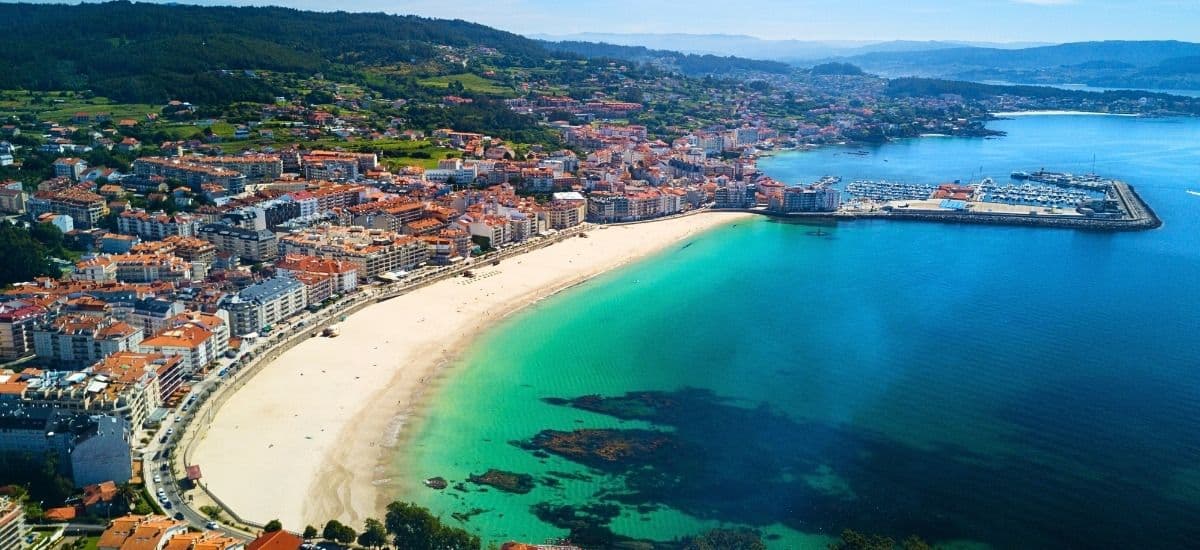 Rías Baixas is Spain’s most Atlantic-facing DO, with constant ocean breezes and high rainfall that preserve freshness while demanding meticulous vineyard management.
The Grape Itself and What It Becomes
Albariño belongs to the broader family of aromatic white grape varieties, though it expresses its aromatics with restraint compared to more exuberant varieties like Gewürztraminer or Torrontés. The grape produces wines of pale to medium straw color with greenish hints suggesting youth and freshness. Aromatically, well made Albariño offers notes of white peach, apricot, citrus blossom, and often a distinctive saline quality that evokes sea spray and oyster shells. The palate typically delivers bright acidity, moderate alcohol, and a textural component that provides substance without heaviness. This balance of freshness and body makes Albariño exceptionally versatile at table, though its affinity for seafood has become legendary.
The grape has thick skins that protect against the fungal pressures of its humid homeland while contributing phenolic compounds that build structure unusual for white wine. Most Albariño ferments in stainless steel to preserve primary fruit character and aromatic purity, though some producers experiment with oak aging or lees contact to build additional complexity. The resulting wines generally drink best young, within two to four years of vintage, when their freshness remains most vibrant. However, examples from top producers demonstrate genuine aging potential, developing honeyed notes and deeper complexity while retaining essential acidity.
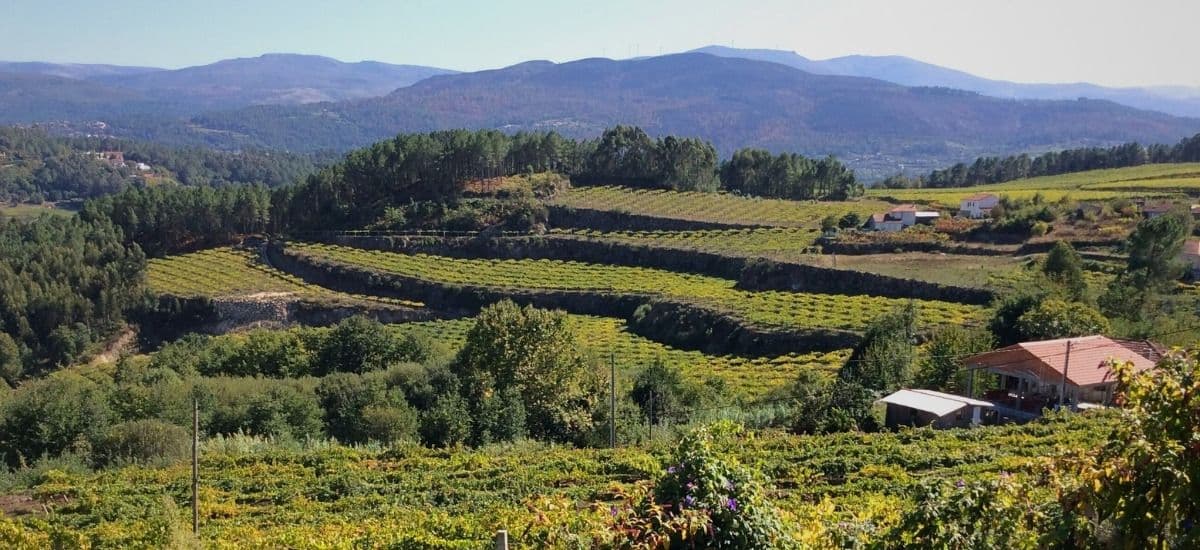 Granite-based soils dominate much of the region, contributing tension, lift, and a distinctly mineral edge that sets Albariño apart from Mediterranean white wines.
Beyond Galicia: Where Else Albariño Grows
While Rías Baixas remains the spiritual and qualitative home of Albariño, the grape has established meaningful presence elsewhere. Across the border in northern Portugal, the same variety is known as Alvarinho and constitutes one of the permitted grapes in Vinho Verde production. Portuguese expressions tend toward even lighter body and higher acidity, often with slight effervescence that enhances refreshment. The grape has also traveled considerably further from its Iberian origins. California producers, particularly in cooler coastal regions, have planted Albariño with increasing enthusiasm over recent decades. These American versions often show riper fruit character and slightly fuller body than Spanish examples while retaining the variety's essential freshness and food compatibility.
New Zealand, Australia, and South Africa have also experimented with the grape, with results that vary according to site selection and winemaking approach. Oregon's Willamette Valley has emerged as another promising New World home, where cool climate conditions approximate aspects of Galician growing environment. Despite these international plantings, Albariño from Rías Baixas retains a distinctiveness that other regions struggle to replicate. The specific combination of climate, soil, and centuries of viticultural adaptation has created a baseline expression against which all others are measured, much as Burgundy defines Chardonnay despite the grape's global distribution.
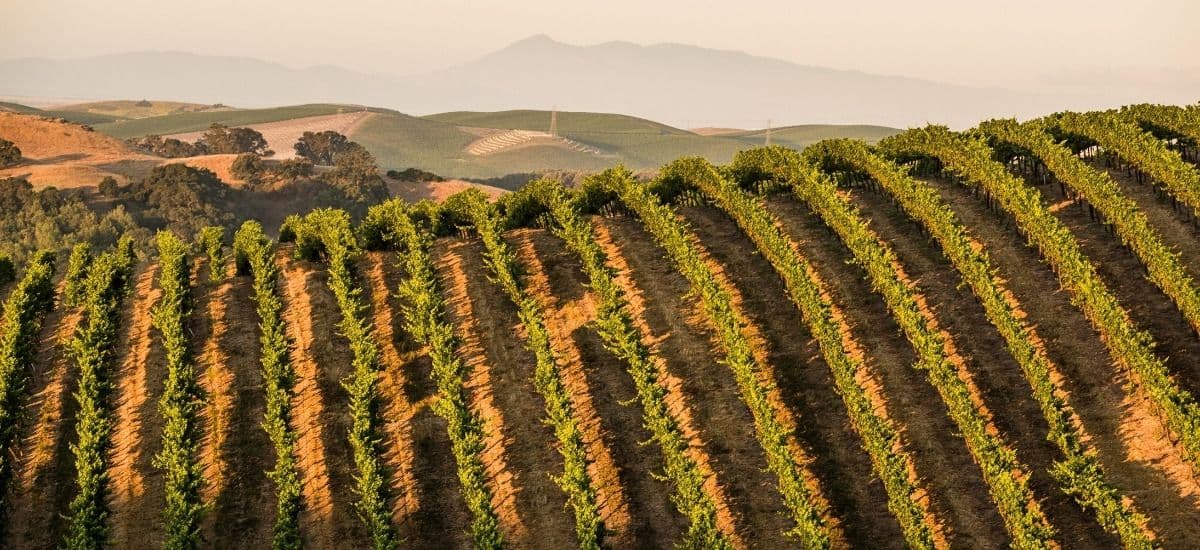 The Albariño grape can be found in various locations around the globe, with the central coast of California holding great promise for this fine wine grape.
 The Takeaway
Albariño offers one of the wine world's most reliable pleasures: a white wine of genuine character that requires no special occasion or extensive knowledge to enjoy. The grape's homeland in Galicia has shaped its development over centuries, creating a variety perfectly suited to maritime climate and granite soils that produce wines of remarkable freshness and subtle complexity. The saline minerality, stone fruit aromatics, and vibrant acidity that define quality Albariño make it an exceptional partner for seafood, though the wines possess versatility that extends well beyond the obvious pairing.
For those beginning to explore wine beyond familiar international varieties, Albariño provides an accessible entry point into Spanish wine culture without the tannin or oak influence that can challenge inexperienced palates. The value proposition remains compelling, with excellent bottles available at moderate prices from producers throughout Rías Baixas. Seeking out examples from different subzones and producers reveals the diversity possible within a single grape and region, rewarding curiosity with wines that consistently deliver pleasure. In an era when wine can seem intimidatingly complex, Albariño reminds us that some of the finest bottles require nothing more than a glass, good company, and perhaps a plate of simply prepared shellfish to appreciate fully.


