Margaux Is The Elegant Soul of Bordeaux
Exploring the legendary French wine appellation where terroir, history, and aristocratic ambition converge in every bottle.
Among the celebrated wine regions of the world, few names carry the romantic weight of Margaux. This appellation in France's Bordeaux region has produced wines that have graced royal tables, inspired poets, and commanded prices that reflect centuries of accumulated prestige. Yet beyond the mystique lies a fascinating intersection of geography, history, and human determination that explains why Margaux wines achieve their distinctive character. The appellation system that governs Margaux, known as AOC or Appellation d'Origine Contrôlée, represents France's commitment to protecting regional identity and ensuring that wines bearing famous names actually originate from those places and meet established quality standards.
Understanding Margaux requires appreciation of this regulatory framework alongside the physical characteristics that make the region exceptional. For anyone curious about fine wine, Margaux offers a compelling case study in how place, tradition, and ambition combine to create bottles that transcend mere beverage status. The elegance associated with Margaux has made it synonymous with refinement itself, a reputation earned across generations and maintained through exacting standards.
Margaux wines typically show softer tannins and more floral aromatics than other Médoc appellations, making them some of the most approachable in youth.
The Land That Shapes the Wine
Margaux lies in the southern portion of the Médoc peninsula, approximately 25 kilometers north of Bordeaux city on the left bank of the Gironde estuary. The appellation encompasses five communes: Margaux itself along with Cantenac, Soussans, Arsac, and Labarde. What distinguishes this territory from neighboring appellations is its particular combination of soil composition and drainage characteristics. The terroir features predominantly gravelly soils, with layers of quartz pebbles deposited by glacial activity and river flow over millennia. These well drained soils force vine roots deep into the earth seeking moisture and nutrients, a stress that concentrates flavors in the resulting grapes.
The gravel also absorbs daytime heat and releases it overnight, moderating temperature fluctuations that could otherwise damage delicate fruit. Cabernet Sauvignon thrives in these conditions, achieving the aromatic complexity and structural elegance that define Margaux wines. Merlot, Cabernet Franc, and small quantities of Petit Verdot complement the dominant variety in most blends. The maritime climate, moderated by the nearby Atlantic and the thermal mass of the estuary, provides the long, gentle growing seasons that allow grapes to develop full physiological ripeness while retaining the acidity essential for balance and aging potential. This combination of factors exists nowhere else in precisely this configuration.
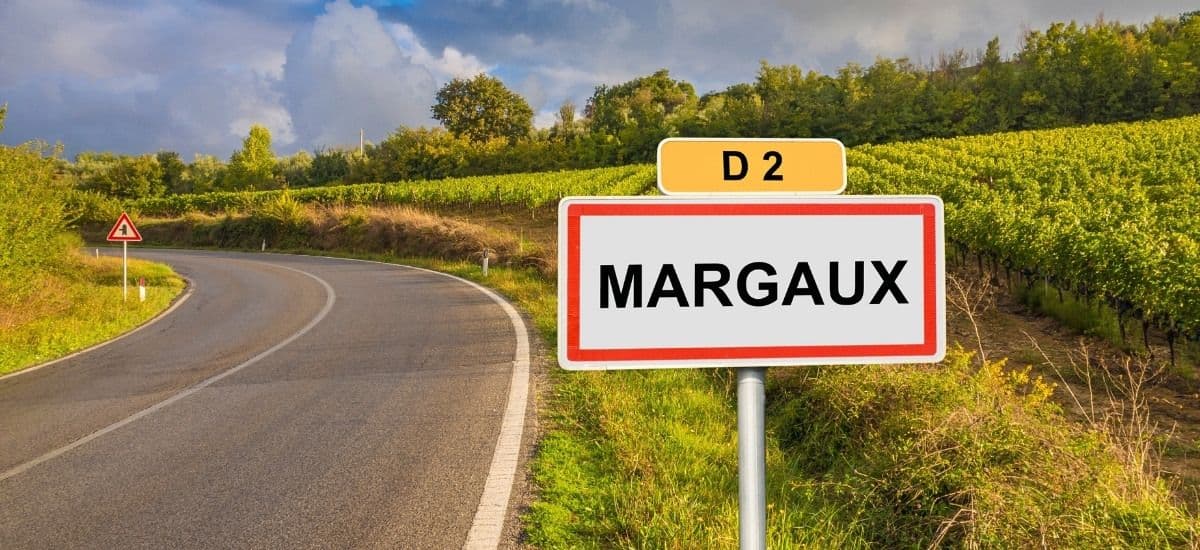 Margaux is the largest appellation in Bordeaux’s Médoc, yet it is celebrated for producing some of the region’s most elegant and aromatically expressive Cabernet-based wines.
Classification and the Weight of History
The fame of Margaux owes much to the Classification of 1855, commissioned by Emperor Napoleon III for the Paris Exposition. Wine brokers ranked Médoc estates based on decades of market prices, creating a hierarchy that persists largely unchanged today. Margaux claimed 21 classified estates, more than any other communal appellation, including the legendary Château Margaux itself among only four First Growths in the entire classification. This concentration of recognized excellence established Margaux's reputation and created benchmarks against which subsequent vintages would be measured. The classification system, while sometimes criticized as outdated, continues influencing market perception and pricing.
First Growth estates from Margaux routinely command prices exceeding several hundred dollars per bottle, with exceptional vintages reaching into thousands. Second through Fifth Growth classifications offer graduated prestige and corresponding price points, while estates outside the 1855 ranking can still produce exceptional wines at more accessible levels. The historical weight of classification creates both opportunity and burden for producers. Estates bearing prestigious rankings must justify their positions through consistent quality, while unclassified properties work to demonstrate that terroir and craft matter more than nineteenth century broker assessments. This dynamic tension drives quality competition throughout the appellation.
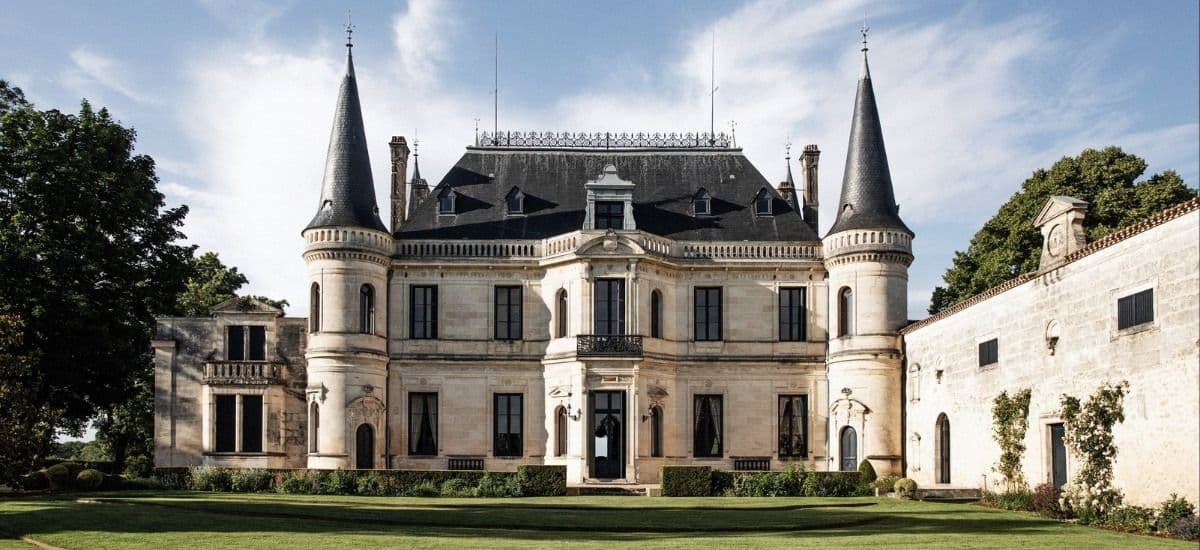 With twenty-one classified growths from the 1855 Classification, Margaux holds the highest number of ranked estates of any Bordeaux commune.
The Producers Who Define Excellence
Château Margaux stands as the appellation's most celebrated estate, a First Growth whose wines epitomize the perfumed elegance associated with the region. The property's history extends to the twelfth century, though the current neoclassical château dates to the early nineteenth century. Beyond this iconic estate, numerous producers contribute to Margaux's collective reputation. Château Palmer, technically a Third Growth, frequently achieves prices and critical acclaim rivaling First Growths, demonstrating how committed ownership and exceptional terroir can transcend historical rankings. Château Rauzan Ségla, revitalized under Chanel ownership, produces wines of remarkable finesse and longevity.
Château d'Issan, with its moated medieval fortress, creates classically structured wines from one of the appellation's most picturesque properties. Château Giscours and Château Cantenac Brown represent Third Growth quality at relatively accessible price points, offering entry into classified Margaux without requiring extraordinary expenditure. Smaller estates and properties outside the classification system provide additional options for exploration, often delivering excellent quality and distinctive expressions of Margaux terroir. The diversity of producers enables discovery across various price points, from introductory bottles suitable for regular enjoyment to collectible rarities reserved for significant occasions.
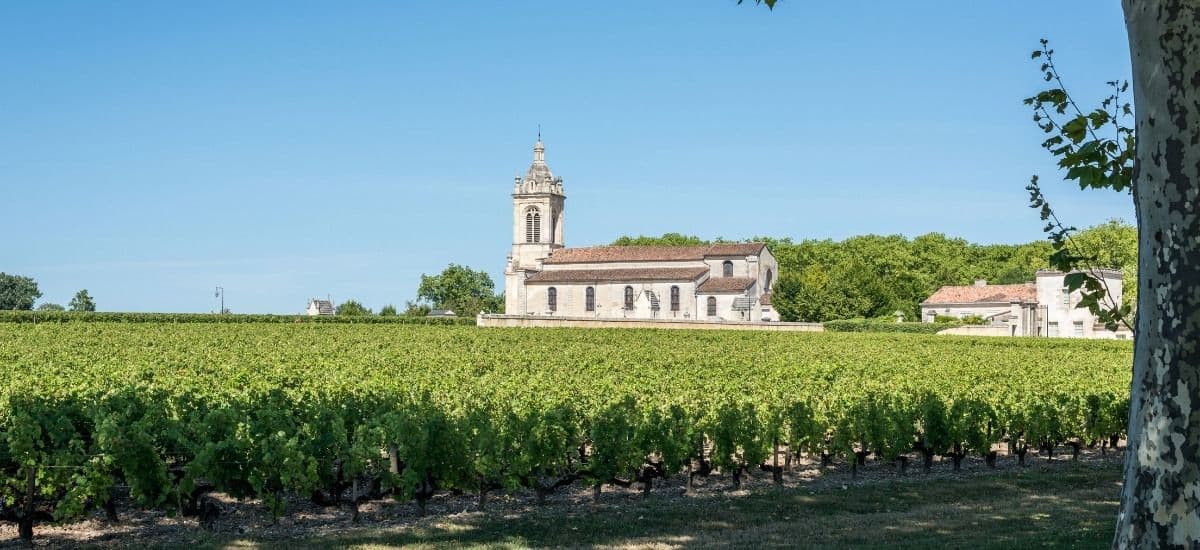 The appellation contains a remarkable diversity of gravel soils, giving Margaux its signature combination of finesse, perfume and refined structure.
The Takeaway
Margaux represents more than a geographical designation or a category of wine. It embodies a philosophy of elegance that has shaped expectations for fine Bordeaux across centuries. The appellation's gravelly soils, maritime climate, and deep winemaking traditions combine to produce wines of distinctive aromatic complexity and refined structure that develop beautifully over decades in bottle. The 1855 Classification established a hierarchy that continues influencing perception and pricing, though quality exists across all ranking levels for those willing to explore beyond famous names.
Understanding Margaux provides foundation for appreciating Bordeaux more broadly, as the appellation exemplifies how terroir, tradition, and human ambition intersect in wine production. Prices range from accessible to astronomical, creating entry points for curious newcomers alongside rarities that satisfy the most demanding collectors. The wines reward patience, often requiring years of cellaring before revealing their full character, yet this delayed gratification contributes to their mystique. For anyone seeking to understand why certain wines achieve legendary status while others remain merely competent, Margaux offers compelling answers. The elegance in the glass reflects elegance in the land, a harmony between place and product that defines great wine at its most profound.


