Sardinia is Italy’s Wild Island of Wine
Italy's second largest island produces wines of fierce originality from ancient grape varieties that most of the world has yet to discover.
Sardinia exists apart. Floating in the western Mediterranean roughly 120 miles off the Italian mainland, this mountainous island has cultivated a cultural identity distinct from continental Italy through millennia of relative isolation. Its wine traditions follow this pattern of separateness, built on indigenous grape varieties found virtually nowhere else and shaped by conditions specific to an island battered by Mediterranean winds and blessed with relentless sunshine. The wines that emerge from Sardinia's rugged terrain share a quality of wildness, an untamed character reflecting landscapes where sheep outnumber people and ancient stone towers called nuraghi punctuate hillsides unchanged for thousands of years.
Despite producing wines of genuine distinction and remarkable diversity, Sardinia remains one of Italy's least explored wine regions internationally. This obscurity represents opportunity for curious drinkers willing to venture beyond familiar Italian names. What awaits is a viticultural world operating by its own rules, producing whites of startling minerality, reds of brooding intensity, and dessert wines of extraordinary concentration from grapes whose names alone signal adventure. Sardinia rewards those who seek it out with discoveries unavailable anywhere else.
Sardinia’s wines are shaped by isolation, with centuries of limited outside influence preserving native grape varieties and winemaking traditions found nowhere else in Italy.
An Island Shaped by Conquest and Solitude
Sardinia's winemaking history reaches back at least three thousand years, with evidence suggesting Phoenician traders introduced organized viticulture to the island's coasts around 1000 BCE. Successive waves of conquest by Carthaginians, Romans, Byzantines, Arabs, Pisans, Genoans, Catalans, and finally Piedmontese each left marks on Sardinian culture and agriculture. Spanish rule, lasting from the fourteenth through eighteenth centuries, proved particularly influential for viticulture, introducing grape varieties including Cannonau, Carignano, and Vermentino that would become pillars of modern Sardinian wine. Yet the island's interior remained largely impervious to outside influence, preserving traditions and varieties that disappeared elsewhere. This tension between external introduction and internal preservation defines Sardinian wine identity today. The landscape itself enforced isolation.
Mountains dominate the interior, with the Gennargentu massif rising above six thousand feet. Rocky coastlines alternate with rare stretches of flat land suitable for agriculture. Soils vary dramatically across the island, from ancient granite formations in the northeast to volcanic basalt in the west and limestone deposits in the south. Wind constitutes a constant presence, particularly the mistral that sweeps from the northwest, desiccating vines while reducing disease pressure. Annual rainfall remains modest, concentrated in autumn and winter, leaving summers hot and parched in a manner that stresses vines into producing grapes of concentrated flavor.
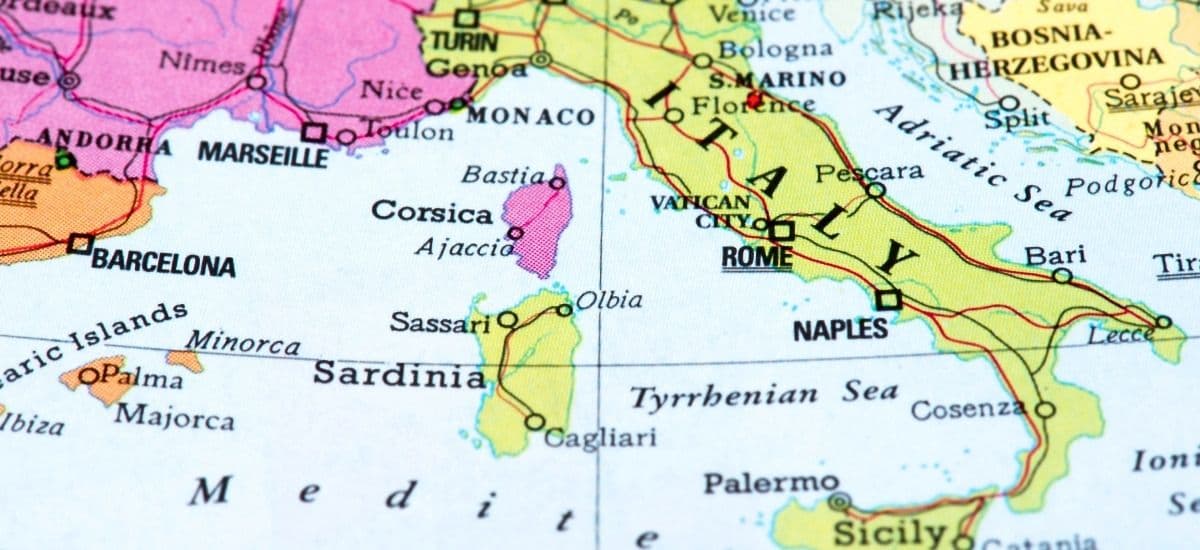 The island’s Mediterranean climate is intensified by constant winds, which reduce disease pressure, lower humidity, and allow for sustainable viticulture despite extreme summer heat.
The Grapes That Tell the Story
Sardinia's grape varieties reveal its layered history while producing wines of unmistakable personality. Cannonau, genetically identical to Grenache and the Spanish Garnacha, dominates red wine production and arguably achieves its most distinctive expressions on this island. Sardinian Cannonau delivers dark fruit, herbal complexity, and a tannic structure more muscular than most Mediterranean Grenache, particularly from old vine plantings in the mountainous interior. Carignano, known as Carignan in France, produces powerful reds along the southwestern coast in the Sulcis region, where ancient bush trained vines rooted in sandy soils yield wines of remarkable depth and concentration.
Monica and Cagnulari contribute additional red wine diversity, with the former offering lighter, aromatic expressions and the latter producing structured wines of increasing critical interest. Among white varieties, Vermentino reigns supreme, particularly in the northeastern Gallura region where it achieves a mineral intensity and textural weight unmatched by examples from the mainland or Corsica. Nuragus, one of the island's most ancient varieties, produces crisp, everyday whites that serve as reliable refreshment. Vernaccia di Oristano stands apart entirely, an oxidative white wine aged under a film of yeast called flor, producing sherry-like complexity from vineyards surrounding the western city of Oristano. This last variety alone justifies Sardinia's reputation for viticultural uniqueness.
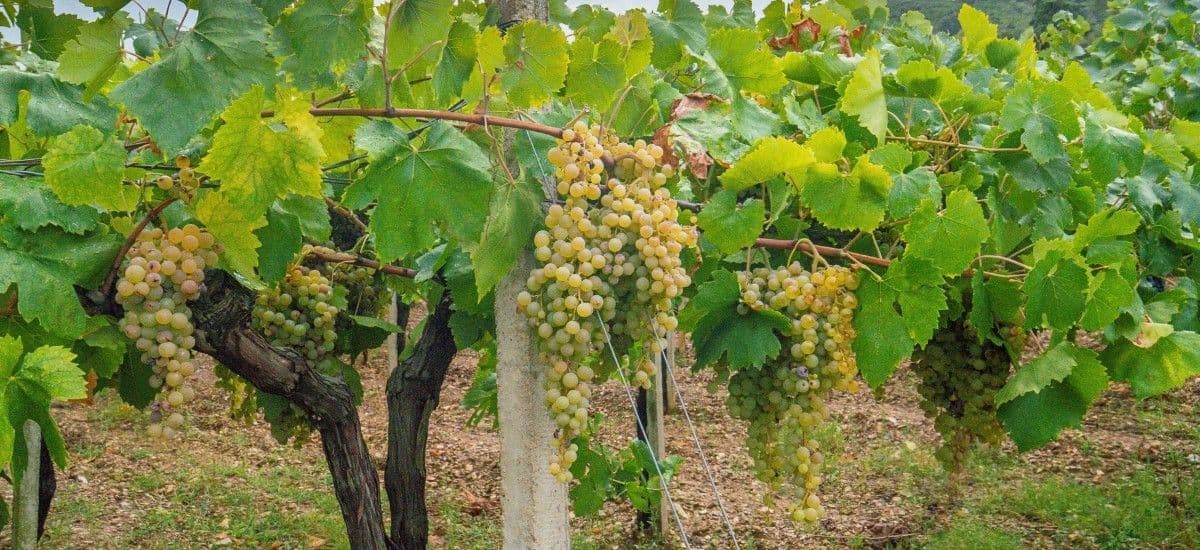 Vermentino reaches its most refined expression in northern Sardinia, where sea breezes and granite soils deliver freshness, salinity, and precision.
Regions Within the Island
Sardinia's wine geography divides into distinct zones whose characters reflect their specific terroirs. Gallura in the northeast, the island's only DOCG designation, specializes in Vermentino grown on weathered granite that imparts a flinty minerality and saline character suggesting proximity to the sea. The Sulcis peninsula in the far southwest produces Carignano del Sulcis from vines planted in sandy coastal soils, some predating phylloxera and remaining on original rootstock. The elevated interior, particularly around the provinces of Nuoro and Ogliastra, grows Cannonau at altitudes that moderate summer heat and preserve acidity, yielding reds of notable elegance alongside more robust lowland versions.
The Campidano plain stretching across the southern interior supports volume production alongside pockets of quality, while the western Oristano area maintains the singular tradition of Vernaccia production. Dessert wines deserve particular mention, as Sardinia produces several of extraordinary quality. Passito versions of Cannonau and Monica concentrate flavors through grape drying, while Malvasia di Bosa from the western coast creates luscious sweet wines that rank among Italy's finest. The island encompasses nineteen DOC designations and one DOCG, a regulatory framework that sometimes clarifies and sometimes complicates navigation for newcomers. Seeking wines by grape variety rather than appellation often proves the more intuitive approach to exploring Sardinian production.
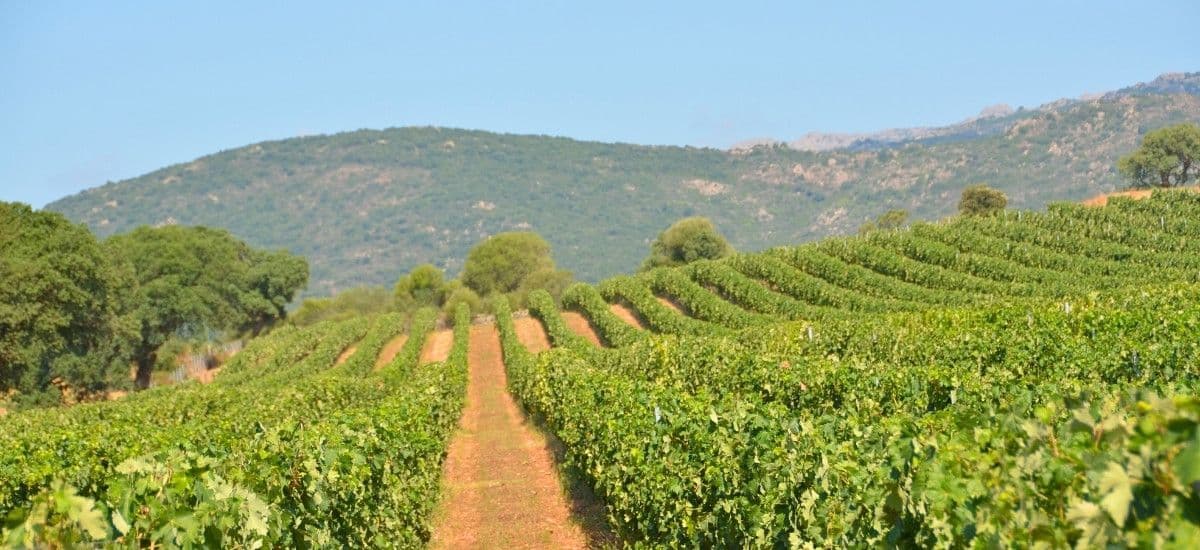 Sardinia is home to Vermentino di Gallura DOCG, highlighting the region’s ability to produce white wines of structure, aging potential, and international distinction.
The Takeaway
Sardinia represents one of the wine world's most rewarding detours from the familiar. An island whose isolation preserved grape varieties, winemaking traditions, and viticultural landscapes that have vanished from the mainland offers discoveries unavailable through any other region. The combination of ancient vines, distinctive terroir, and a climate shaped by wind and sea produces wines that taste genuinely of somewhere, carrying a sense of place as vivid as the island's wild interior. For those accustomed to Italian wines from Tuscany, Piedmont, or the Veneto, Sardinia presents a revelation of what Italian viticulture encompasses beyond its celebrated regions. Cannonau from mountain vineyards, Vermentino from granite hillsides, Carignano from ancient coastal plantings, and the haunting oxidative Vernaccia di Oristano each represent expressions found nowhere else in precisely these forms.
Prices remain remarkably accessible given the quality and uniqueness on offer, a consequence of limited international recognition that benefits adventurous buyers. Exploring Sardinian wine means engaging with a living tradition shaped by three thousand years of history on an island that has always followed its own course. The wines ask only for curiosity in return, offering in exchange an experience of genuine originality in a world where sameness increasingly dominates.


