New Zealand Wine Explained: Regions, Grapes, and Style
The country that taught the world to rethink Sauvignon Blanc has been quietly producing some of the most precise and compelling wines in the Southern Hemisphere. It is time to explore the rest of the map.
For most wine drinkers, New Zealand means one thing: Sauvignon Blanc from Marlborough. That association is understandable. Marlborough accounts for roughly two-thirds of the country's total vineyard plantings and produces a style of Sauvignon Blanc so distinctive that it effectively created its own category on the global stage. The electric acidity, the vivid citrus and tropical fruit, the unmistakable cut of fresh herbs and gooseberry have become so identifiable that a glass of Marlborough Sauvignon is one of the easiest wines in the world to recognize blind.
But stopping there means missing most of what makes New Zealand extraordinary. Across roughly 45,000 hectares of vineyard spread between the North and South Islands, the country produces world-class Pinot Noir, Chardonnay, Syrah, and Bordeaux-style reds from regions whose names are still unfamiliar to many casual drinkers. New Zealand's maritime climate, dramatic topography, and commitment to sustainable viticulture have combined to produce a wine industry that punches dramatically above its modest size. For anyone ready to look beyond the Sauvignon Blanc aisle, the rewards are substantial.
New Zealand has emerged as one of the most dynamic and influential wine-producing countries in the modern era. Despite its relatively small size, it has built a global reputation on clarity, precision, and intensely expressive wines.
An Island Nation Built for Cool-Climate Wine
New Zealand stretches more than 1,600 kilometers from north to south across two main islands, a geographic span that creates an impressive range of growing conditions within a country that is never more than 120 kilometers from the ocean in any direction. That pervasive maritime influence keeps temperatures moderate, extends growing seasons, and produces the kind of bright natural acidity that cool-climate winemakers prize. The South Island tends to be cooler and drier, with vineyards sheltered from western rain-bearing winds by the Southern Alps. The North Island is generally warmer, with more humidity, longer sunshine hours, and conditions that can ripen red grape varieties to full maturity.
The soils vary considerably from region to region. Ancient alluvial gravels define the celebrated Gimblett Gravels subregion of Hawkes Bay. Windblown loess and clay dominate parts of Marlborough. Central Otago's vineyards sit on schist and clay soils of striking mineral complexity. This diversity of soil, altitude, and exposure means that New Zealand, despite its small total acreage, supports an unusually wide range of grape varieties and wine styles. The country's wine industry is also among the most environmentally progressive in the world, with 96 percent of vineyards certified under the national Sustainable Winegrowing New Zealand program, a figure unmatched by any other major wine-producing nation.
 The nation is split between two islands, with a plethora of small regions tucked throughout the landscape.
Marlborough, and Then the Rest
Marlborough earned its reputation honestly. The region's Wairau and Awatere valleys produce Sauvignon Blanc of a purity and intensity that no other growing area in the world has replicated, and significant plantings of Pinot Noir, Chardonnay, and Pinot Gris add further depth to its portfolio. But the conversation shifts dramatically once you move beyond its borders. Hawkes Bay, on the east coast of the North Island, is the country's oldest and warmest major wine region, producing Bordeaux-style blends of Merlot and Cabernet Sauvignon as well as increasingly celebrated Syrah and Chardonnay. The Gimblett Gravels, a subregion of heat-retaining stony soils carved from an old riverbed, has earned a reputation for red wines of genuine structure and aging potential.
Central Otago, at the bottom of the South Island, is the world's southernmost wine region and New Zealand's answer to the question of whether the Southern Hemisphere can produce truly great Pinot Noir. The answer, increasingly, is yes. Otago's continental climate, dramatic diurnal temperature swings, and schist-based soils produce Pinot Noirs of vivid color, aromatic intensity, and a fine-grained texture that places the best examples in serious conversation with top-tier Burgundy. Martinborough, a tiny district near the North Island's southern tip, adds a different perspective on Pinot Noir, producing wines of more savory, earthy character from free-draining gravel terraces that a 1979 government soil study found to share remarkable similarities with Burgundy's own geology.
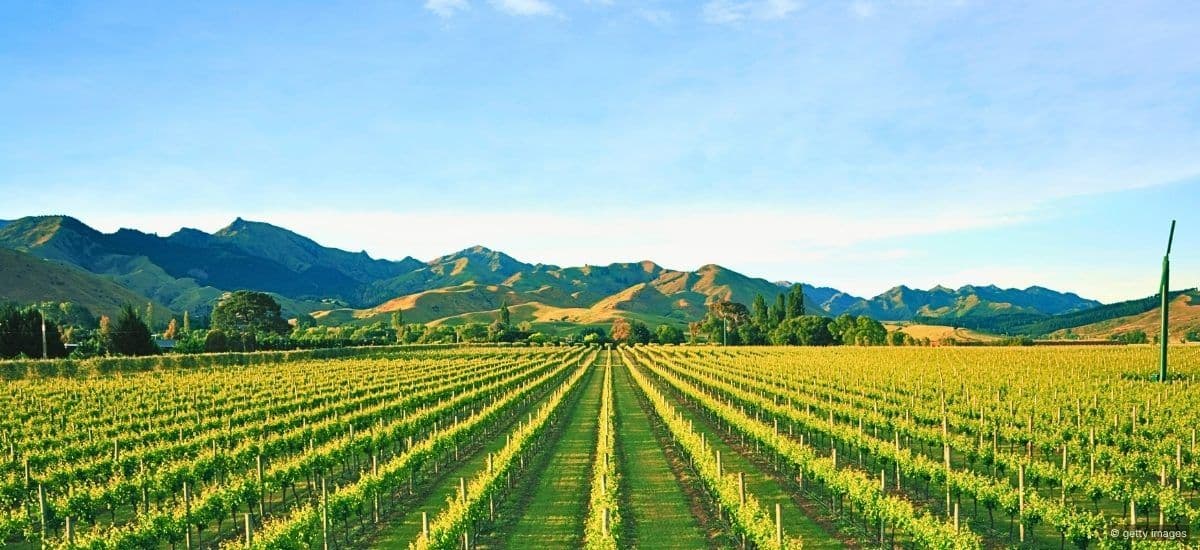 The country’s most famous region is Marlborough. It is known for vibrant, aromatic Sauvignon Blanc with high acidity and pronounced citrus and tropical notes.
What Sets These Wines Apart
The defining quality of New Zealand wine, regardless of region, is precision. The cool climate and long growing seasons allow grapes to develop flavor complexity while retaining the vibrant natural acidity that gives the wines their structure and freshness. This is a country where Chardonnay achieves richness without heaviness, where Pinot Noir speaks with clarity rather than volume, and where even the boldest reds from Hawkes Bay maintain a lift and focus that distinguish them from warmer-climate counterparts. The best New Zealand Pinot Noirs and Chardonnays make a genuine case for being the finest in the Southern Hemisphere, competing not with other New World producers but with the benchmarks of Burgundy itself.
For the drinker encountering these wines for the first time, the value proposition is compelling. While top single-vineyard Pinot Noirs from Central Otago or Martinborough command prices that reflect their quality, the middle tier offers an extraordinary ratio of quality to cost. A well-made Hawkes Bay Syrah, a structured Martinborough Pinot Noir, or a barrel-fermented Marlborough Chardonnay can deliver experiences that punch well above their price point, particularly compared to wines of equivalent ambition from Burgundy, Oregon, or the Northern Rhône. The challenge for most international consumers is access, as many of the country's most distinctive bottles are produced in quantities small enough that they rarely appear outside New Zealand and its primary export markets.
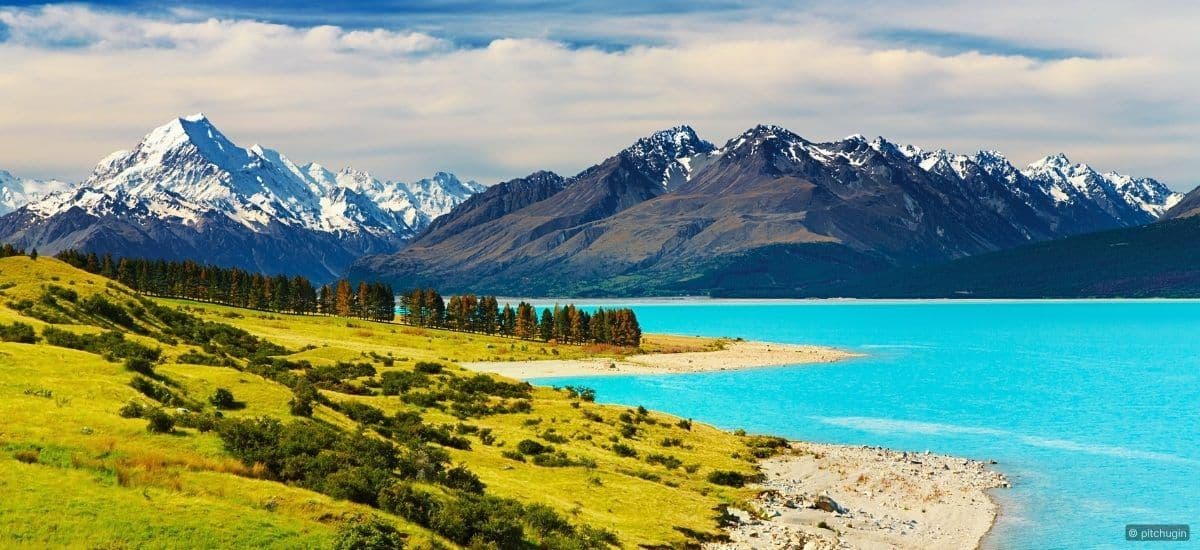 Central Otago is a prominent region on the southern island. It produces some of the world’s most distinctive Pinot Noir, marked by purity, structure, and bright fruit.
The Takeaway
New Zealand's wine identity was built on Marlborough Sauvignon Blanc, and that foundation remains strong. But the country has long since outgrown the single variety that made it famous. From the structured Bordeaux blends and savory Syrahs of Hawkes Bay to the luminous Pinot Noirs of Central Otago and Martinborough, New Zealand offers a breadth of styles and a consistency of quality that belie its modest vineyard acreage. Its wines are defined by purity, driven by acidity, and shaped by a maritime climate that demands precision from both the vine and the winemaker.
For the curious drinker ready to explore beyond familiar labels, New Zealand is one of the most rewarding starting points available. The regions are distinct enough to offer genuine variety, the quality floor is remarkably high, and the commitment to sustainability that runs through the industry adds a dimension of integrity that matters to a growing number of consumers. Whether you begin with a Central Otago Pinot Noir that challenges your assumptions about the Southern Hemisphere or a Hawkes Bay Chardonnay that earns its place alongside the world's best cool-climate whites, the invitation is the same: to discover that New Zealand's most interesting wines have nothing to do with Sauvignon Blanc at all.


