Tempranillo is the Heart of Spanish Red Wine
From Rioja's aristocratic estates to Ribera del Duero's powerful expressions, this versatile grape defines Iberian winemaking while conquering new frontiers across the globe.
Tempranillo stands as Spain's answer to Cabernet Sauvignon, a noble variety that produces wines ranging from fresh and fruity to profound and age-worthy, depending on origin and winemaking philosophy. This thick-skinned grape, whose name derives from temprano meaning early, ripens weeks before other Spanish varieties, allowing cultivation across diverse climates and elevations.
Tempranillo forms the backbone of Spain's most prestigious wines, including Rioja's silky, vanilla-scented Gran Reservas and Ribera del Duero's muscular, concentrated expressions that rival any global red wine for complexity and longevity. The grape's chameleon-like ability to reflect terroir and winemaking decisions makes it equally capable of producing accessible everyday wines and investment-grade bottles commanding four-figure prices. While intrinsically linked to Spanish identity, Tempranillo increasingly flourishes in Portugal as Tinta Roriz, Argentina as a rising star, and even unexpected locations like Oregon and Texas, each region revealing different facets of its personality.
Tempranillo is Spain’s most important red grape, accounting for more than 20 percent of the country’s total vineyard area.
The Iberian Peninsula's Historic Treasure
Tempranillo's origins trace to the Ebro River valley, with genetic studies suggesting it arose from a natural crossing between Albillo Mayor and Benedicto varieties over a millennium ago. Cistercian monks cultivated the grape along the Camino de Santiago pilgrimage route, spreading viticulture through northern Spain and establishing the foundations for modern Rioja and Ribera del Duero. The variety gained prominence in the nineteenth century when Bordeaux négociants, seeking alternatives during phylloxera devastation, introduced French winemaking techniques including barrel aging that became Rioja's signature. This French influence established the classification system of Crianza, Reserva, and Gran Reserva based on aging requirements that remains central to Spanish wine law.
Tempranillo adapted to various regional climates and soils across Spain, developing distinct biotypes and local names including Tinto Fino in Ribera del Duero, Ull de Llebre in Catalonia, and Cencibel in La Mancha. The grape crossed into Portugal's Douro Valley where, as Tinta Roriz or Aragonez, it became essential to Port production and increasingly important for table wines. This geographic spread across Iberia created diverse interpretations while maintaining core characteristics of moderate tannins, balanced acidity, and affinity for oak aging.
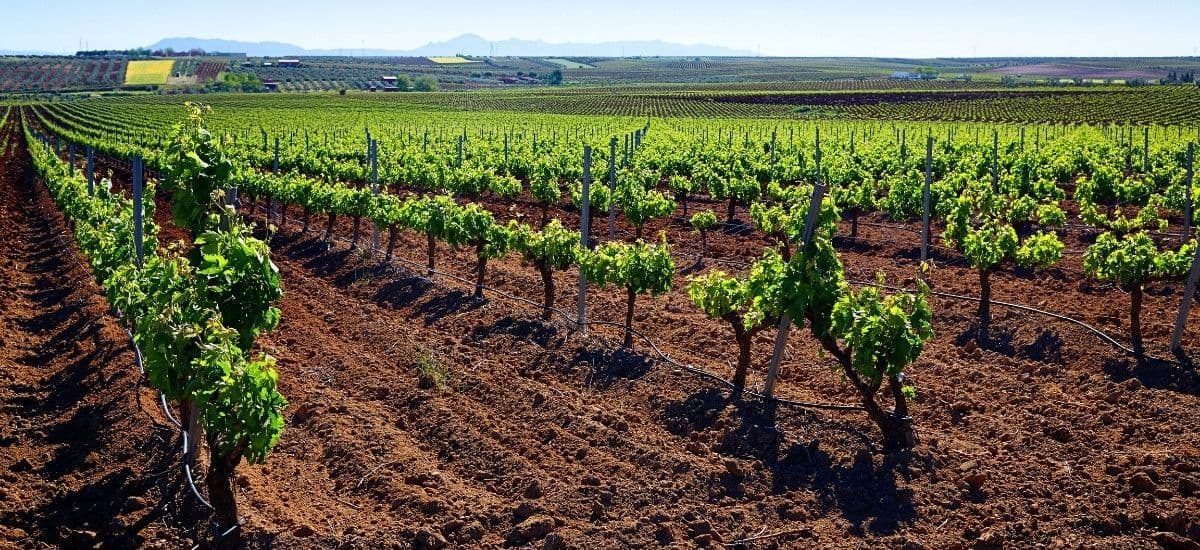 Tempranillo’s flavor profile often includes red and black fruit, dried herbs and subtle spice, with oak aging playing a central role in many traditional Rioja expressions.
Stylistic Spectrum Across Regions
Modern Tempranillo expresses itself through dramatically different styles that reflect both traditional approaches and contemporary innovation across its growing regions. Traditional Rioja emphasizes elegance and oak integration, with extended aging in American oak creating notes of vanilla, coconut, and dill that complement the grape's strawberry and plum fruit, developing leather and tobacco complexity over decades. Ribera del Duero's continental climate and high altitude produce more powerful, structured wines with darker fruit profiles, firmer tannins, and greater concentration that require extended cellaring to reveal their full potential.
Toro represents the extreme expression, with old bush vines yielding intensely concentrated wines of remarkable power, while emerging regions like Méntrida showcase Tempranillo's potential for freshness when harvested earlier and vinified with minimal intervention. Portuguese interpretations in the Douro and Alentejo demonstrate the variety's adaptability to even warmer climates, producing rich, ripe styles that maintain freshness through elevation and aspect. New World producers increasingly embrace both traditional and modern approaches, with Argentine examples showing promising elegance while Australian and Californian versions explore the variety's potential for power and fruit expression without excessive oak influence.
Prestige Producers and Premium Positioning
Spain's most expensive and sought-after wines predominantly feature Tempranillo, with producers like Vega Sicilia, Pingus, and La Rioja Alta commanding prices that rival prestigious Bordeaux and Burgundy. Vega Sicilia's Único, blending Tempranillo with Bordeaux varieties and aged for a minimum of ten years, established the template for ultra-premium Spanish wine with releases regularly exceeding 500 euros. Peter Sisseck's Pingus, produced from ancient Ribera del Duero vines, demonstrated that Spanish wine could achieve cult status and scarcity pricing, with initial vintages now commanding five-figure sums.
Traditional Rioja producers like López de Heredia and CVNE (Compañía Vinícola del Norte de España) prove that classical styles maintain relevance, with aged releases demonstrating Tempranillo's extraordinary longevity potential. The emergence of single-vineyard bottlings and terroir-focused projects adds complexity to regional understanding, moving beyond house styles to explore specific site expression. Modern producers like Artadi and Telmo Rodríguez champion minimal intervention and indigenous yeast fermentation, creating wines that express variety and place without oak dominance. Investment in technology and viticulture, including precision farming and optical sorting, elevates quality across price points, establishing Tempranillo as serious fine wine beyond traditional perceptions.
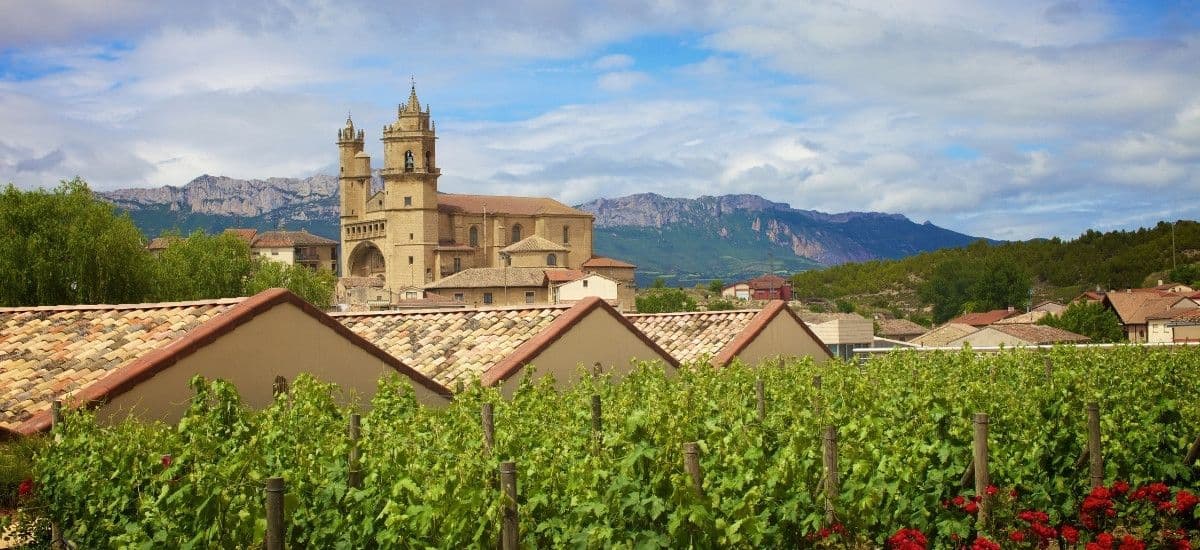 The grape has excellent aging potential, with top Gran Reserva Riojas capable of developing depth and complexity over several decades.
The Takeaway
Tempranillo represents Spain's viticultural soul while demonstrating universal appeal through successful cultivation across four continents, proving that noble varieties need not be French to achieve global significance.
The grape's versatility in expressing both power and elegance, accommodating traditional and modern winemaking philosophies, ensures continued relevance as wine preferences evolve. From Rioja's century-old Gran Reservas to Ribera del Duero's modern cult wines, Tempranillo demonstrates exceptional aging potential that justifies serious collecting and investment consideration. The variety's moderate alcohol potential and food-friendly structure align with contemporary preferences for balanced, gastronomic wines over extracted, high-alcohol styles. Climate change may actually benefit Tempranillo cultivation in traditional regions through more consistent ripening, while opening new possibilities in cooler zones previously considered marginal.
The increasing recognition of Spanish wine quality globally, driven largely by premium Tempranillo, creates opportunities for both established and emerging producers to capture market share traditionally dominated by French and Italian wines. Understanding Tempranillo means appreciating Spain's contribution to fine wine, recognizing that greatness in wine emerges from the marriage of variety, place, and human intention regardless of geographic origin or historical precedent.


