The 1855 Classification is the Ranking That Refuses to Age
In a matter of weeks, a group of Bordeaux wine brokers created the most famous hierarchy in wine history. More than 170 years later, it remains the standard against which all other classifications are measured.
There are few documents in the history of food and drink that carry the cultural weight of the 1855 Classification of Bordeaux. Commissioned for a world's fair and completed in roughly two weeks, this ranking of the finest estates of the Médoc and Sauternes was never intended to be permanent. It was a snapshot, a consumer guide for an international exhibition, drawn up by wine brokers who knew their work would be controversial. Yet what they produced became something far more enduring: a hierarchy so embedded in the culture and commerce of wine that it has survived virtually unchanged for more than a century and a half.
The 1855 Classification did not invent the idea of ranking wines by quality. Informal hierarchies had existed in Bordeaux for centuries, reflected in the prices estates could command and the reputations they carried among merchants. What the classification did was formalize those hierarchies into a single official document and attach to it the prestige of an imperial exhibition. In doing so, it created a template that every subsequent wine classification in Bordeaux has either followed or reacted against.
The classification ranked the top wines of Bordeaux’s Left Bank, primarily from the Médoc, into five tiers known as growths, from First Growth (Premier Cru) to Fifth Growth (Cinquième Cru). These rankings were largely determined by historical trading prices, which were seen as a reflection of quality and demand.
What Napoleon III Set in Motion
The occasion was the Exposition Universelle de Paris, a grand world's fair organized under Emperor Napoleon III to showcase French industry, agriculture, and culture. Napoleon asked the wine regions of France to present their best, and the Bordeaux Chamber of Commerce, eager to promote its celebrated estates but wary of making the selection itself, passed the task to the Syndicat des Courtiers, the official body of wine brokers who mediated between producers and the trade. These were men who had spent careers buying, selling, and pricing Bordeaux wines, and they understood the market with an intimacy that no outside committee could replicate.
The brokers based their ranking not on tastings or vineyard visits but on something they considered more reliable: the prices that each estate's wines had fetched consistently over preceding decades. In their view, the market had already done the work of separating great from merely good. The resulting list, submitted on April 18, 1855, organized 58 estates into five tiers, from Premier Cru at the top to Cinquième Cru at the bottom. All were from the Médoc, with one exception: Château Haut-Brion, from what was then known as Graves, whose wines commanded prices too high to ignore regardless of geography. A separate classification ranked the sweet white wines of Sauternes and Barsac into their own hierarchy, crowned by Château d'Yquem as the sole Premier Cru Supérieur.
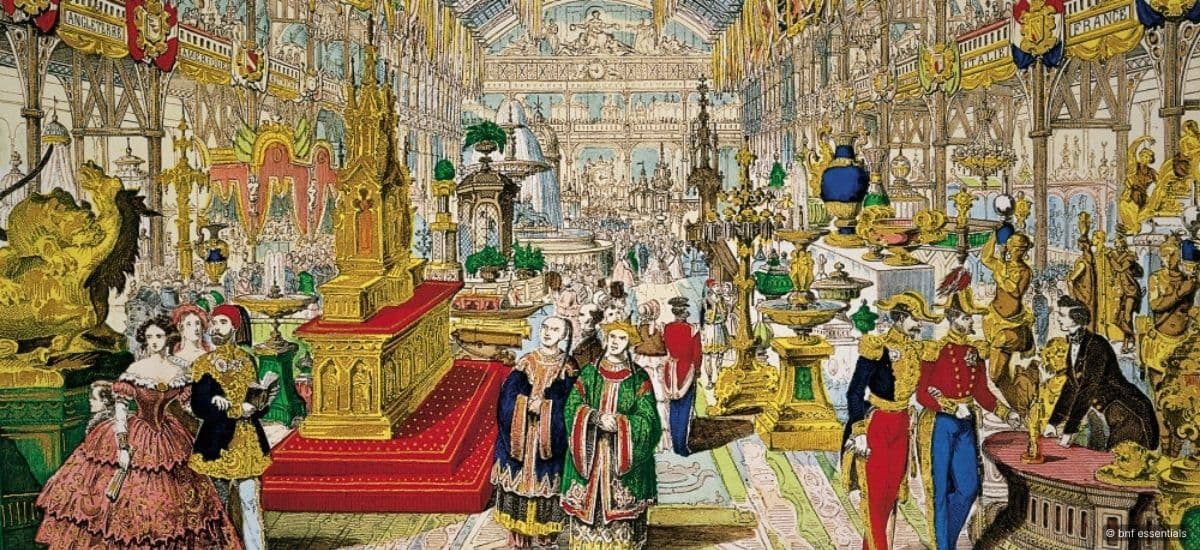 The 1855 Classification of Bordeaux remains one of the most influential ranking systems in the history of wine. Commissioned for the Exposition Universelle de Paris under Napoleon III, it was designed to showcase the best wines France had to offer.
Still Standing, Still Debated
The classification has been formally revised exactly once. In 1973, after decades of relentless campaigning by Baron Philippe de Rothschild, Château Mouton Rothschild was elevated from Second Growth to First Growth, joining Lafite Rothschild, Latour, Margaux, and Haut-Brion at the top of the hierarchy. That single promotion remains the only change to the ranking in its entire history, a fact that is both a testament to its enduring authority and a source of legitimate criticism.
The criticism is straightforward. Vineyards have changed hands, expanded, contracted, and been replanted many times since 1855. Some Fifth Growth estates now produce wines that rival certain Second Growths in quality, consistency, and price. Château Pontet-Canet, classified as a Fifth Growth, has through decades of biodynamic viticulture elevated its wines to a level that commands Second Growth prices. Conversely, a small number of classified properties have at times coasted on status without matching it in the bottle. Yet the hierarchy persists, in part because the estates at the top have enormous economic incentive to preserve it, and in part because it captures something broadly true: the best terroir in the Médoc, identified by generations of brokers who understood the land through what it could consistently produce, has not fundamentally changed. The ranking was never perfect, but it was far more durable than anyone expected.
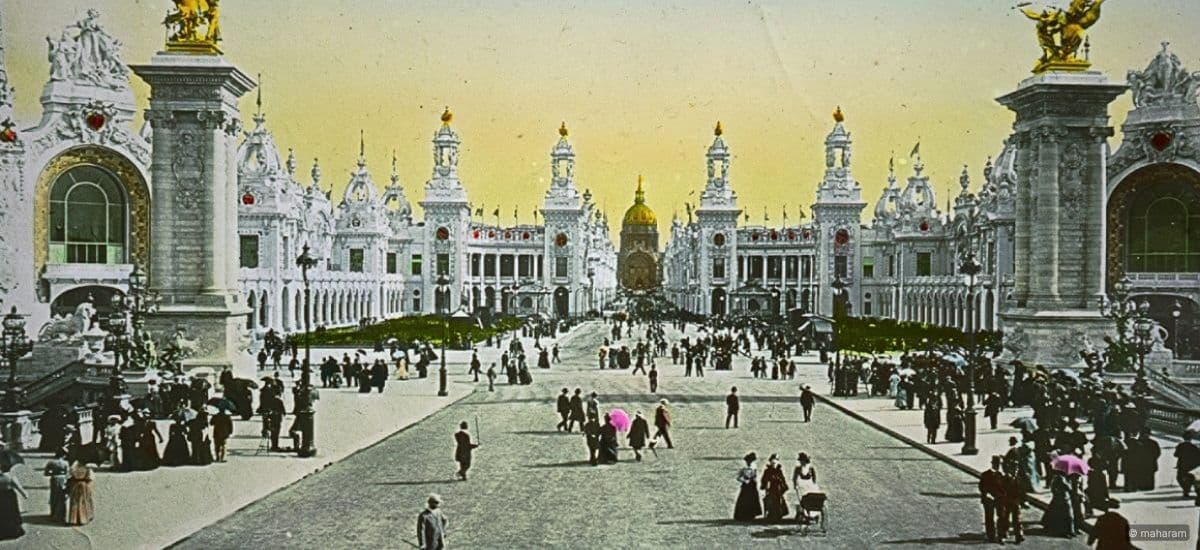 The classification has remained almost entirely unchanged since 1855, reinforcing its legacy and influence. The exposition itself was one of the most lauded social events of the time period, known around the world.
The Classifications That Followed
The success and limitations of the 1855 system inspired Bordeaux's other major appellations to create hierarchies of their own. Saint-Émilion, on the Right Bank, established its classification in 1955, a century after the original, with a crucial structural difference: it is revised approximately every ten years, allowing estates to rise or fall based on current quality rather than historical reputation. The most recent revision, in 2022, produced considerable drama when Château Ausone and Château Cheval Blanc, two of the appellation's most prestigious estates, declined to participate, a decision that raised fundamental questions about what a classification means when its most famous members choose to walk away.
The Graves classification, finalized in 1959, recognized 16 estates as Crus Classes in what is now the Pessac-Léognan appellation, distinguishing itself by classifying estates for their red wines, white wines, or both. Unlike Saint-Émilion's evolving system, the Graves classification has never been revised. The Cru Bourgeois designation, meanwhile, emerged as a way to recognize quality among the hundreds of Médoc estates excluded from the 1855 list entirely. First formalized in 1932 and repeatedly restructured over the decades, the current Cru Bourgeois classification operates on a five-year renewal cycle across three tiers, offering a practical framework for consumers seeking quality Bordeaux outside the rarefied air of the classified growths.
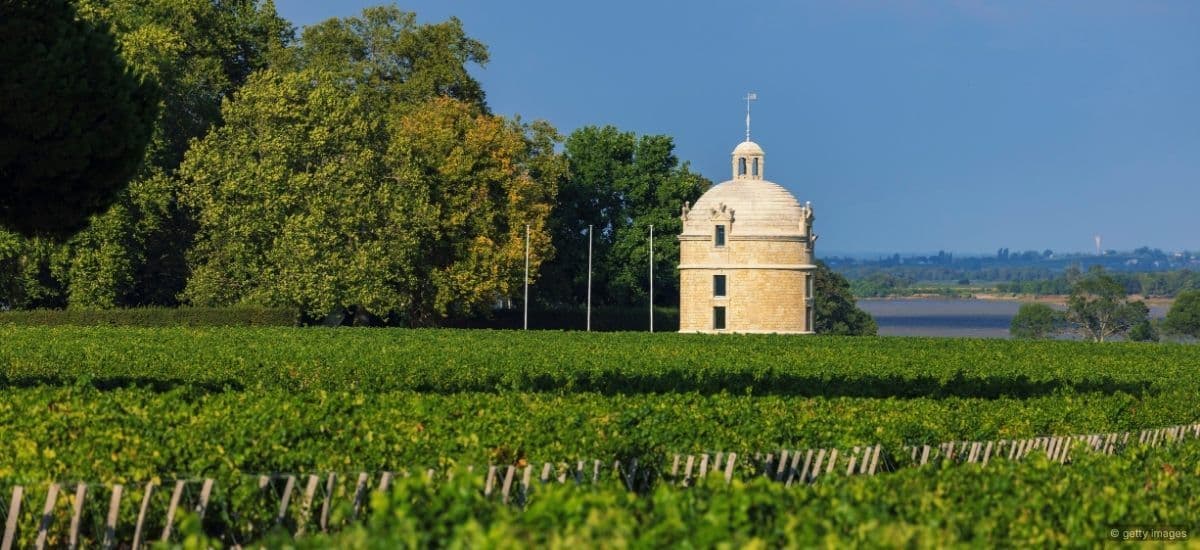 Château Latour is a premier First Growth estate in Pauillac, as classified by the original list. It is one of the most sought after examples of fine wine, and commands astronomical prices for each bottle.
 The Takeaway
The 1855 Classification endures because it answered a question that wine drinkers, collectors, and merchants have always asked: which estates produce the best wine, and how do they compare to one another? The brokers who drew up the list understood that price, accumulated over decades of market activity, was the most honest available measure of quality. They were not entirely right, but they were far more right than wrong, and the document they produced became the foundation upon which Bordeaux built its identity as the world's most prestigious wine region.
For the student of wine, understanding the 1855 Classification is essential not because every ranking within it remains perfectly accurate, but because it established the very concept of formal wine hierarchy that has shaped how the world thinks about quality, terroir, and prestige. Every classification that followed, from Saint-Émilion to Graves to Cru Bourgeois, exists in direct conversation with the original. To study the 1855 is to study how a two-week assignment for a world's fair became the most consequential ranking in the history of wine, and why, for all its imperfections, the wine world has never been willing to let it go.


