The Hidden Treasure of Rutherglen
In a remote corner of Australia, winemakers produce some of the world's most complex fortified wines at prices that defy their extraordinary age and quality.
Certain wine regions achieve fame commensurate with their quality while others labor in relative obscurity despite producing bottles of remarkable distinction. Rutherglen belongs emphatically to the latter category. Tucked into the northeastern corner of Victoria, Australia, this small region has quietly perfected a style of fortified wine that rivals anything produced anywhere on earth. The amber and mahogany liquids that emerge from its historic cellars represent decades of patient aging, concentrated through fractional blending systems that incorporate wines older than living memory. Yet despite this extraordinary pedigree, Rutherglen remains largely unknown outside dedicated wine circles.
The consequence of this anonymity is a value proposition almost unmatched in the wine world. Bottles containing thirty, fifty, or even eighty year old components sell for prices that would barely cover entry level offerings from more famous fortified wine regions. Understanding Rutherglen requires appreciating both what makes these wines exceptional and why they represent such compelling opportunities for anyone seeking profound drinking experiences without profound financial commitment.
Rutherglen is globally defined by its fortified Muscats and Muscadelles, produced from late-harvest grapes and aged through fractional blending systems that create extraordinary depth and complexity.
Where the Murray Flows and Muscat Thrives
Rutherglen lies approximately three hours northeast of Melbourne, positioned in the warm continental interior where the Victorian highlands give way to the broad floodplains approaching the Murray River. The climate proves essential to the wines produced here, with hot summers and moderate rainfall creating conditions that concentrate sugars in grapes to levels impossible in cooler regions. European settlers recognized the area's viticultural potential in the 1850s, establishing vineyards that would survive phylloxera devastation which destroyed most of Victoria's other wine regions. This historical continuity matters enormously, as many Rutherglen producers maintain solera systems dating to the nineteenth century.
The fortified wine tradition here centers on two grape varieties. Brown Muscat, a deeply pigmented clone of Muscat à Petits Grains, produces the region's renowned Muscat wines. Muscadelle, confusingly unrelated to Muscadet or other Muscat varieties, yields Topaque, formerly labeled Tokay until European Union trade agreements required the name change. Both grapes achieve extraordinary ripeness in Rutherglen's heat, harvested at sugar levels that would be unimaginable in most wine regions and then fortified and aged through methods that transform already concentrated fruit into something approaching liquid essence.
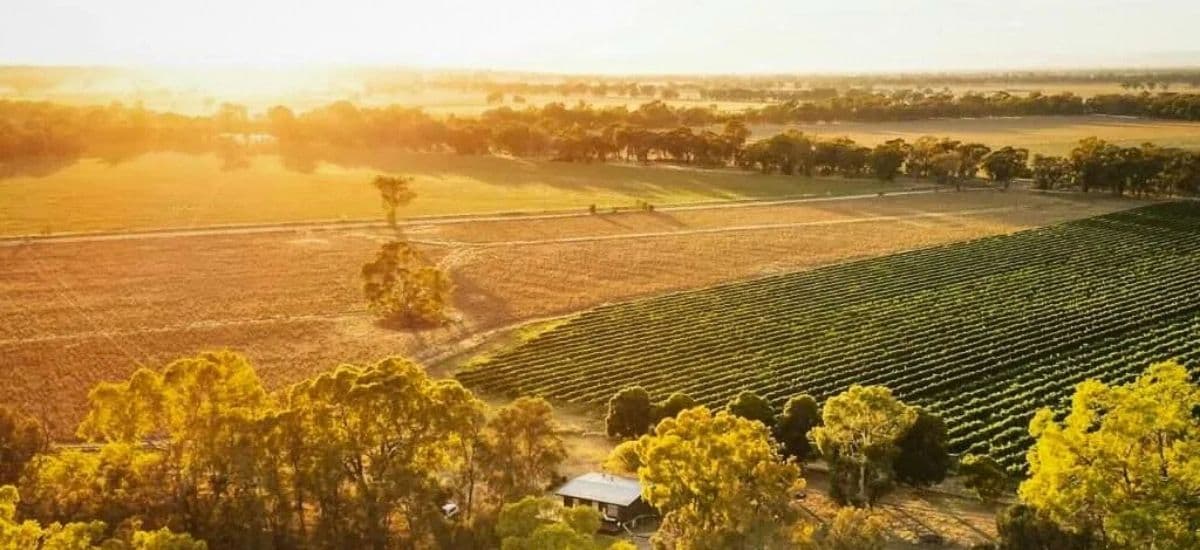 Expect intense concentration balanced by vibrant acidity... notes of raisin, toffee, coffee, walnut, and spice layered over a remarkably fresh backbone that keeps even the richest wines lively.
The Alchemy of Time and Blending
Production methods in Rutherglen follow patterns established over generations, though precise techniques vary among producers. Grapes are harvested extremely ripe, often partially raisined on the vine, concentrating sugars and flavors before fermentation begins. The resulting wines undergo fortification with grape spirit, halting fermentation and preserving substantial residual sweetness. What follows distinguishes Rutherglen from most wine regions. The fortified wines enter aging systems that may span decades or even a century. Barrels of varying ages occupy warm cellars and outdoor sheds where temperature fluctuations accelerate concentration through evaporation.
Winemakers periodically blend younger wines into older barrels while drawing finished wine from the most aged components, creating a perpetual system where no barrel ever fully empties. This fractional blending, similar to but distinct from Spanish solera methods, builds layers of complexity impossible to achieve through simple static aging. The classification system reflects this accumulated age and concentration. Rutherglen designation indicates the youngest and freshest style. Classic represents wines averaging around ten years in the blending system. Grand denotes fifteen to twenty year average age with significantly greater concentration. Rare, the pinnacle designation, indicates wines averaging over twenty years with components potentially reaching back generations. Each step up the ladder brings exponentially greater concentration, complexity, and the haunting flavors that emerge only from extended wood contact and patient oxidative aging.
Remarkable Quality at Remarkable Prices
The value proposition presented by Rutherglen fortified wines borders on the absurd when examined alongside comparable offerings from other regions. A bottle of Rare classification Muscat or Topaque, containing wine averaging several decades in age, typically retails for under one hundred dollars and often substantially less. Comparable aged wines from Madeira, Sherry, or Port regions command multiples of these prices for similar levels of complexity and maturity. Several factors explain this disparity. Rutherglen lacks the international recognition that drives premium pricing elsewhere. Production volumes, while small by commercial standards, exceed the minute quantities that create scarcity premiums for aged releases from famous European houses.
Australian wine marketing has historically emphasized table wines rather than fortified styles, leaving Rutherglen without the promotional infrastructure that builds global demand. For those who discover these wines, the implications are significant. Restaurants can offer aged fortified wines by the glass at accessible prices while maintaining healthy margins. Collectors can acquire genuinely old wines without the investment required for vintage Port or antique Madeira. The great producers, names including Chambers Rosewood, Morris, Campbells, Stanton and Killeen, Pfeiffer, and All Saints, maintain quality standards that reward exploration across their portfolios. Each house brings distinct character to the regional style, making comparative tasting an education in how site, cellar practices, and blending philosophy shape these remarkable wines.
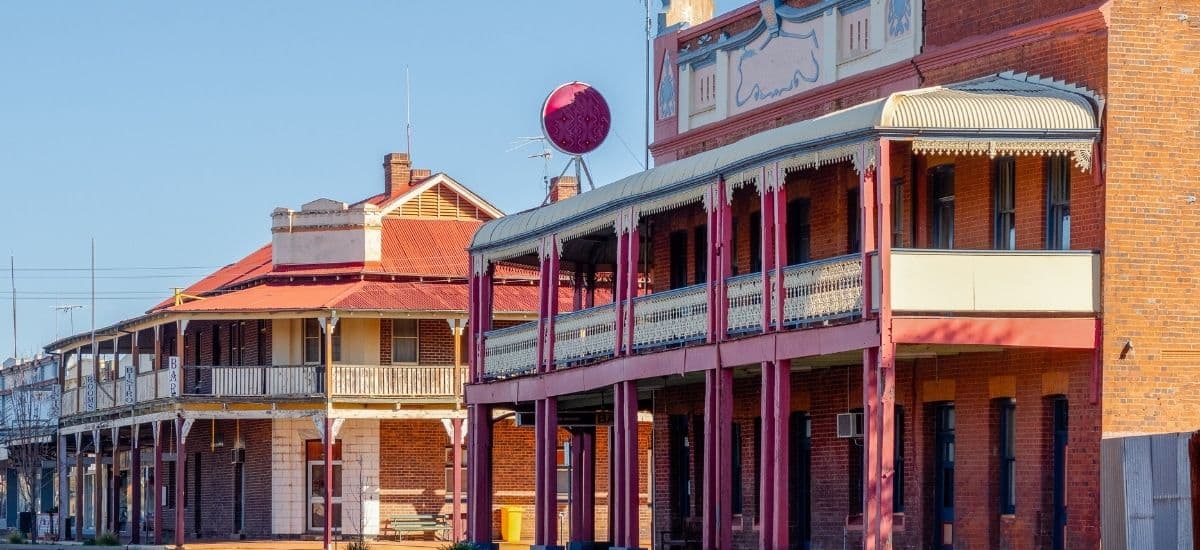 While fortifieds dominate its reputation, Rutherglen also produces increasingly serious table wines (Durif, Shiraz, and modern whites) shaped by heat, old vines, and a distinctly Australian sense of power and generosity.
The Takeaway
Rutherglen represents one of wine's most compelling secrets, a region producing fortified wines of extraordinary age and complexity at prices disconnected from their actual quality. The combination of ideal climate, historical continuity, and traditional production methods yields Muscats and Topaques that belong in any serious conversation about the world's great dessert wines. That they remain relatively unknown serves as both lament and opportunity.
For those seeking profound drinking experiences, few investments deliver comparable returns. A bottle of Grand or Rare classification wine offers flavors developed over decades, concentrated through patient blending systems established by winemakers long since passed, at prices that would purchase only youth and simplicity from more celebrated regions.
The wines themselves reward attention, best served slightly cool in small pours that allow their extraordinary concentration to unfold gradually. Notes of tea, toffee, dried fruits, spice, and the peculiar rancio character that marks truly aged wines emerge in succession as the liquid warms in the glass. These are contemplative drinks, meant for quiet moments of appreciation rather than casual consumption. Rutherglen asks only to be discovered. What it offers in return is access to time itself, bottled and available to anyone curious enough to seek it out.


